
Marimba from Pará: how the instrument became a symbol of Amazonian music
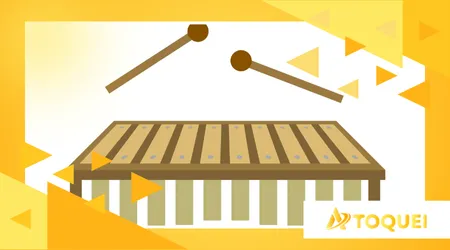
Marimba from Pará It is a melodic percussion instrument essential to the Amazonian sound.
Advertisements
He manages to connect African roots with the vibrant cultural identity of traditional communities in northern Brazil.
Its rustic structure belies an impressive versatility, allowing contemporary musicians to adapt ancestral sounds to global genres, while maintaining the relevance of this heritage.
In this article, we will explore the historical and technical depth of this sonic icon. You will understand its construction, its rhythmic importance, and how it remains relevant in contemporary music in 2025.
Summary
- Origins and historical evolution in Marajó.
- The artisanal manufacturing process and materials.
- The role of the marimba in Carimbó and Lundu.
- Technical differences between the marimba and other lamophones.
- Table of technical specifications for the instrument.
- Frequently Asked Questions (FAQ).
What is the Marimba from Pará?
THE Marimba from Pará It belongs to the lamellophone family, being an instrument where metal reeds attached to a wooden sound box produce sounds when plucked.
Advertisements
Unlike the xylophone marimbas common in other regions, the Pará version functions as a manual "bass".
It provides the fundamental harmonic and rhythmic support for regional music ensembles.
Musicians and researchers often describe it as a giant thumb piano.
++What are octave keys and their functions on the flute and saxophone?
Its sound is deep, percussive, and possesses a natural sustain that fills the atmosphere of Amazonian religious festivals.
How is the Marimba from Pará traditionally constructed?
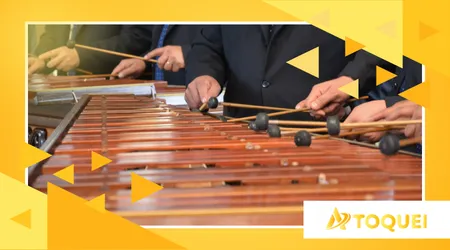
Master craftsmen from Marajoara use durable native woods and scrap steel to forge the instrument, ensuring that each piece has a unique timbre and a visually authentic and rustic aesthetic.
The body, usually made of cedar or pau d'arco wood, acts as a powerful acoustic chamber.
The size of the speaker box determines the sound projection, allowing the sound to reach greater distances in open-air performances.
For the blades, repurposing truck springs or old saw blades is common.
Learn more: Complete list of Brazilian folklore instruments by region.
This creative recycling process demonstrates the resilience and inventiveness of riverside communities in maintaining their traditions.
You can find details about preserving these practices on the official website of IPHAN, which documents the intangible heritage of Brazilian regions and their musical expressions.
Why is the Marimba from Pará a symbol of Carimbó?
The presence of Marimba from Pará In Carimbó, the drummer defines the pulse of the dance, creating a constant dialogue with the curimbó drums. She establishes the melodic base that guides the other instruments.
Without the marimba, the Marajoara Lundu would lose its most striking characteristic of sonic depth.
The instrument represents the resilience of Black culture in the Amazon, blending seamlessly with local indigenous elements.
Contemporary artists continue to use the instrument to maintain the aesthetic fidelity of their works.
++Typical frevo instruments: a beginner's guide
In 2025, the marimba is experiencing a renaissance in experimental music and alternative pop productions in Brazil.
What are the technical specifications of this instrument?
Unlike smaller African kalimbas, the Pará marimba requires the use of both hands and is sometimes played with the musician sitting on the soundbox itself for greater stability.
The tuning does not necessarily follow the Western tempered pattern, varying according to the sensitivity of the master luthier.
This characteristic gives each regional folk culture group a specific tonal "signature".
Below, we have organized the technical data that defines this unique instrument, making it easier to understand for musicians and luthiers who wish to study this very specific sound structure from the northern region.
Technical Specifications: Marimba from Pará
| Feature | Technical Details |
| Classification | Plucked idiophone (lamellophone) |
| Box Material | Regional woods (Cedar, Ipe or dense plywood) |
| Blade Material | Tempered steel or recycled steel springs |
| Number of Blades | Usually between 5 and 9 blades |
| Musical Function | Bass line and rhythmic marking |
| Region of Origin | Marajó Archipelago, Pará |
How does the instrument survive in the digital age?
Currently, the Marimba from Pará It is subject to digitization in sound libraries (samples) for electronic music producers.
This allows Amazonian sounds to travel globally through digital synthesizers.
++Rebolo, tantan and repique de mão: differences and uses in pagoda
Music festivals in Pará encourage the new generation to learn fingerpicking techniques from the old masters. This oral transmission of knowledge is what guarantees the instrument's survival.
Streaming platforms make it easier to access authentic recordings that highlight the marimba.
Listeners around the world can now appreciate the rhythmic complexity that was previously restricted to rural communities.
To understand more about the history of percussion instruments in Brazil and their evolution, the Cravo Albin Dictionary of Brazilian Popular Music It offers a vast catalog of fundamental references.
Marimba from Pará: Conclusion
THE Marimba from Pará It transcends the function of a simple musical object; it is a repository of history, technique, and Amazonian identity that withstands the test of time and constantly modernizes itself in the current scenario.
Understanding this instrument means delving into the deepest roots of Brazil.
Its unique sound continues to enchant researchers and musicians, proving that tradition and innovation can walk hand in hand harmoniously.
Frequently Asked Questions about the Marimba from Pará
What is the difference between the Marimba from Pará and the Xylophone?
The marimba from Pará is a lamellophone, where metal bars attached to a box vibrate. The xylophone is a percussion instrument with wooden keys played with specific mallets.
Is it possible to buy a Marimba do Pará online?
There are specialized luthiers who sell custom-made instruments through social media and craft fairs. It is recommended to seek out local producers to guarantee the authenticity of the materials and tuning.
Is the Marimba from Pará difficult to learn?
Learning to play requires fine motor coordination for fingering the steel blades. However, its basic rhythmic function can be quickly grasped by anyone already experienced with other percussion instruments.
Which artists use the Marimba from Pará today?
Traditional Carimbó groups, such as Os Belos de Marajó, and artists of the new MPB (Brazilian Popular Music) scene from Pará use the instrument. It frequently appears in arrangements that seek an authentic and organic regionalist aesthetic.
