
Best amplifiers for electric bass
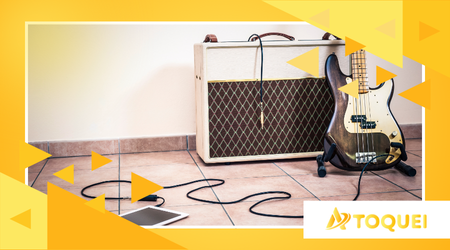
Amplification technology has evolved dramatically, prioritizing portability without sacrificing the characteristic "punch" of low frequencies.
Advertisements
Today, the amplifiers for electric bass They predominantly use Class D circuits.
This architecture allows extremely lightweight equipment to deliver hundreds of watts of power.
Furthermore, the presence of high-quality DI (Direct Inject) outputs has become an essential standard for professional recordings.
The fidelity in reproducing low harmonics depends on the cabinet construction and the efficiency of the speaker.
Advertisements
Modern models incorporate digital signal processing (DSP) to emulate classic vacuum tube textures.
Having reliable equipment means ensuring that the instrument's sound reaches the audience clearly.
Tonal transparency allows the nuances of the bassist's articulation to be properly perceived in the mix.
Summary
- What defines a good bass amplifier?
- What are the best brands in 2025?
- How to choose the ideal power level?
- What is the difference between combos and stacks?
- Comparative table of models
- Frequently Asked Questions (FAQ)
What are the most innovative technologies for the modern bass player?
Currently, integration with software and connectivity via Bluetooth have transformed the amplifiers for electric bass in complete study centers.
Many models offer integrated USB audio interfaces to facilitate workflow.
Leading brands like Darkglass and Fender invest in cabinet simulations (IR – Impulse Response).
This allows the musician to have a studio-quality sound on any stage, regardless of the venue's size.
Read more: Review: Digital metronomes vs. metronome apps
The drastic reduction in the weight of neodymium magnets has revolutionized the transportation of this equipment.
Carrying a powerful amplifier no longer requires Herculean physical effort, making life easier for musicians who travel constantly.
Another relevant point is the energy sustainability of modern circuits, which generate less heat and last longer.
This thermal efficiency ensures sound stability even after hours of continuous use in intense performances.
How to choose the right power for each usage environment?
The purchase decision should be based on the primary purpose of using the equipment. For home studies, amplifiers for electric bass 25 to 50 watts is usually sufficient and practical.
++ Review of MIDI controllers for music production.
Rehearsals with drummers require significantly more air displacement to prevent the bass from getting lost.
In this scenario, it is recommended to look for devices that offer at least 200 watts of real power (RMS).
Larger stages or outdoor performances require more robust systems, generally above 500 watts.
Having excess power, or "headroom," prevents unwanted distortion and ensures clean, defined bass.
It is essential to check the impedance of the speakers to get the most performance out of the chosen amplifier head.
++ Comparison: USB microphones vs. XLR microphones
Incorrect configurations can limit volume delivery or even permanently damage internal system components.
You can check the detailed technical specifications of electronic components on the internet, one of the world's leading authorities on musical equipment.
Why invest in established brands in the Brazilian market?
The national market of amplifiers for electric bass It offers options that balance cost-effectiveness and durability.
Brands like Ampeg, Fender, and the Brazilian company Staner have well-established service networks.
Purchasing products from reputable manufacturers ensures that the resale value of the equipment remains high.
Furthermore, consistency in manufacturing ensures that the desired tone is delivered without unexpected variations.
Many musicians opt for hybrid models, which combine the warmth of tube preamps with the efficiency of transistors. This versatility is ideal for those seeking the classic sound of rock or funk.
The durability of external components, such as the Tolex coating and protective grilles, should also be considered.
Robust equipment better withstands the natural wear and tear caused by frequent transport between shows.
When should you choose a combo system or a head and cabinet system?
The practicality of combo kits makes them a favorite choice for musicians looking for quick setup.
Those amplifiers for electric bass They integrate electronics and speakers into a single compact and efficient unit.
Modular systems, consisting of separate heads and cabinets, offer superior sonic versatility for professionals.
They allow you to combine different speaker sizes, such as 1x15 inch cabinets with 4x10 inch cabinets.
This modularity makes it easy to adapt the setup according to the size of the event or the acoustics of the venue.
Transporting separate components can also be less strenuous on the back, by dividing the total weight of the assembly.
Musicians who record frequently prefer compact heads that can be carried in a backpack directly to the studio.
The use of reactive loads allows for silent recording while maintaining the tonal characteristics of the physical amplifier.
Comparison of Reference Models in 2025
| Model | Power (RMS) | Approximate Weight | Main Indication |
| Fender Rumble 100 | 100W | 10 kg | Rehearsals and Clubs |
| Ampeg Rocket Bass RB-210 | 500W | 17 kg | Professional Stages |
| Darkglass Microtubes 500V2 | 500W | 2.4 kg | Portability and Metal |
| Staner BX200 (National) | 140W | 19 kg | Cost-benefit analysis in Brazil |
| Boss Katana-210 Bass | 160W | 21 kg | Versatility of Effects |
What are the essential steps to take to extend the lifespan of your setup?
Preventive maintenance is the secret to keeping yours running smoothly. amplifiers for electric bass They will function for decades.
Avoiding exposure to excessive moisture protects circuits against oxidation that causes noise and malfunctions.
Using high-quality cables to connect the instrument and speakers prevents dangerous short circuits.
Signal cables should never be used to connect the amplifier head to the speaker cabinet due to the high current.
Regularly cleaning the potentiometers with specific products prevents unpleasant hissing sounds during volume adjustment or equalization.
Keeping equipment in padded cases or covers protects against direct impacts during transport.
Always check the mains voltage before plugging in the appliance to avoid accidental damage.
The use of high-quality line filters or voltage stabilizers is highly recommended to protect sensitive digital components.
Why is equalization the most powerful tool for a bass player?
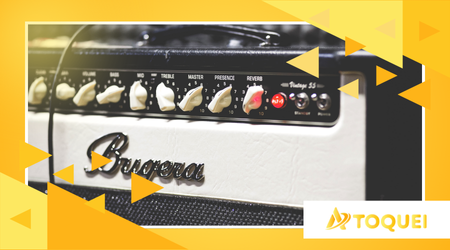
Mastering the tone controls of amplifiers for electric bass It completely transforms the instrument's presence in the band.
Proper midrange adjustment is crucial to ensure clarity without muddling the battery.
Many modern amplifiers have "Bright" or "Ultra Hi" switches that add clarity to the treble.
This is especially useful for slap techniques, where the string snap needs to be precisely highlighted.
The gain control allows you to add harmonic saturation that warms up the sound, making it more organic and immersive.
Finding the balance between input gain and master volume is key to tone.
Bass players who use powered instruments should take extra care not to overload the amplifier's input.
Activating the attenuation pad (usually -15dB) ensures that the signal remains clean and free from unwanted distortion.
Conclusion on investing in quality audio.
Invest in good amplifiers for electric bass It's the definitive step to elevate the professional level of any musician.
The right choice combines adequate power, proven durability, and a sonic identity that inspires performance.
Analyze your actual volume and transportation needs before finalizing the purchase of your next piece of equipment.
Testing different models in person allows you to experience the dynamic response that each manufacturer brings to their electronic designs.
To deepen your knowledge of the history and classic models of the industry, visit the portal. Bass Player, an absolute reference in the double bass segment.
Frequently Asked Questions
Can I use a guitar amplifier with my electric bass?
It is not recommended, as guitar speakers cannot handle low frequencies and may tear with continuous use.
What is the XLR (DI) output found on modern amplifiers?
This output sends the bass signal directly to the mixing console or interface, eliminating the need to mic the cabinet.
What is the best speaker size for bass: 10, 12, or 15 inches?
10″ speakers offer quick response and brightness; 15″ speakers deliver deeper bass and “sub” frequencies, while 12″ speakers balance both.
Are tube amplifiers better than digital ones?
It depends on personal preference. Vacuum tubes offer a unique natural compression and warmth, while digital ones are lighter, more practical, and technologically versatile.
What does the "Mute" function on the front panel mean?
Allows you to mute the amplifier to switch instruments or tune silently without having to turn off the equipment or lower the volume.
