
How does music influence the development of children's motor coordination?
Understanding how the Music influences the development of children's motor coordination. It is essential for parents and educators who seek to enhance the healthy and cognitive growth of Brazilian children today.
Advertisements
In this practical article, we present the neurological mechanisms of musicalization, discuss the differences between gross and fine motor coordination, and suggest simple rhythmic activities to apply in your daily home life.
Summary: You will read about the connection between the brain and rhythm, the practical impact on motor skills, examples of activities for each age group, and answers to frequently asked questions from experts.
What is music education in early childhood?
Early childhood music education consists of the process of building musical knowledge intuitively, focusing on the exploration of sounds, body rhythms, popular songs, and the manipulation of small adapted instruments.
This pedagogical practice does not aim to train professional musicians prematurely, but rather to use sound stimuli as playful tools to activate different areas of the brain during their structural development.
Advertisements
By clapping, keeping time with a song, or swaying their body, children begin to associate external auditory stimuli with coordinated and highly integrated physical responses.
How does a child's brain process rhythm and movement?
When a child hears a melody, the motor cortex and cerebellum immediately become active to decode the pulse of time and plan the corresponding physical action.
This neurological bridge facilitates brain plasticity, creating stronger and faster neural connections that optimize the precision of voluntary movements and the balance of the growing body.
Studies in applied neuroscience demonstrate that constant exposure to organized rhythmic patterns helps in the maturation of motor pathways responsible for agility and spatial planning in children.
We therefore understand how the Music influences the development of children's motor coordination. by tuning the individual's sensory and motor systems in a completely integrated, natural, and fun way.
Why does music improve gross and fine motor coordination?
Gross motor coordination involves large muscle groups responsible for running, jumping, and dancing, activities that gain more balance and spatial control under the influence of rhythmic sound stimuli.
Singing songs that require broad body gestures teaches children to control the speed and force of their movements, refining visual perception and overall muscle tone.
On the other hand, fine motor coordination involves small muscles in the hands and fingers, essential for holding a pencil and performing delicate everyday tasks.
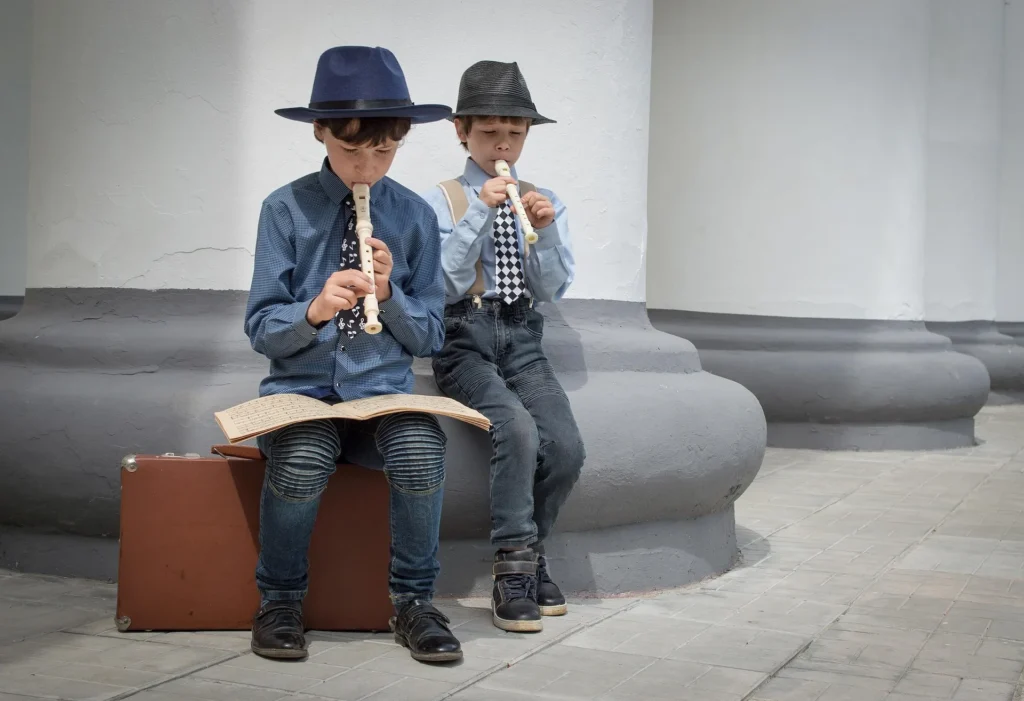
Playing simple instruments like rattles, triangles, or small drums requires pincer movements and isolated finger movements, directly stimulating manual dexterity and precision of touch.
The early stimulation guidelines published by Oswaldo Cruz Foundation (Fiocruz) They emphasize that singing games are fundamental for developing manual dexterity and rhythmic perception in babies.
What are the motor development milestones by age group?
Each stage of childhood requires specific musical approaches that respect the body's physiological limits and enhance the new sensory discoveries typical of each age range of growth.
The following table presents structured data on how to associate auditory stimuli with the expected physical development of young children throughout their main developmental stages:
| Age Range | Recommended Musical Stimulation | Target Motor Skill |
| 0 to 1 year | Singing games and clapping | Cervical control and grip |
| 1 to 3 years | Free dance and percussion instruments | March, balance and rhythm |
| 3 to 5 years | Coordinated choreography and clapping | Laterality and fine motor coordination |
| Above 5 years old | Introduction to keyboard or recorder | Finger independence and focus |
Adapting play to the correct developmental stage ensures that learning is stimulating, avoiding childhood frustration resulting from mechanical challenges that are too complex for their biological structure.
With this in mind, it becomes clear how the Music influences the development of children's motor coordination. when it is applied with pedagogical intent by attentive teachers and caregivers.
When should you start introducing rhythmic activities into your routine?
The introduction to rhythmic stimuli should begin during pregnancy, as the fetus can already hear and react to the mother's heartbeat and external sounds.
After birth, singing lullabies during bath time or before bedtime calms the baby and initiates the unconscious perception of calm and regular sound structures.
As the child gains control over their own torso, daily play sessions should include clapping, foot movements, and active exploration of various sound-producing objects.
Maintaining this daily routine of ten to fifteen minutes of rhythmic play is more beneficial for neuroplasticity than engaging in long sessions of strenuous activities once a week.
What are the biggest mistakes when stimulating coordination through music?
The most common mistake adults make is forcing the perfect execution of complex movements, ignoring the fact that each child's internal rhythm evolves gradually and individually.
Another important oversight is the excessive use of digital screens and passive music videos, which reduce the need for real body movement and limit tactile exploration of the environment.
Read more: Musical cup games for kids at home
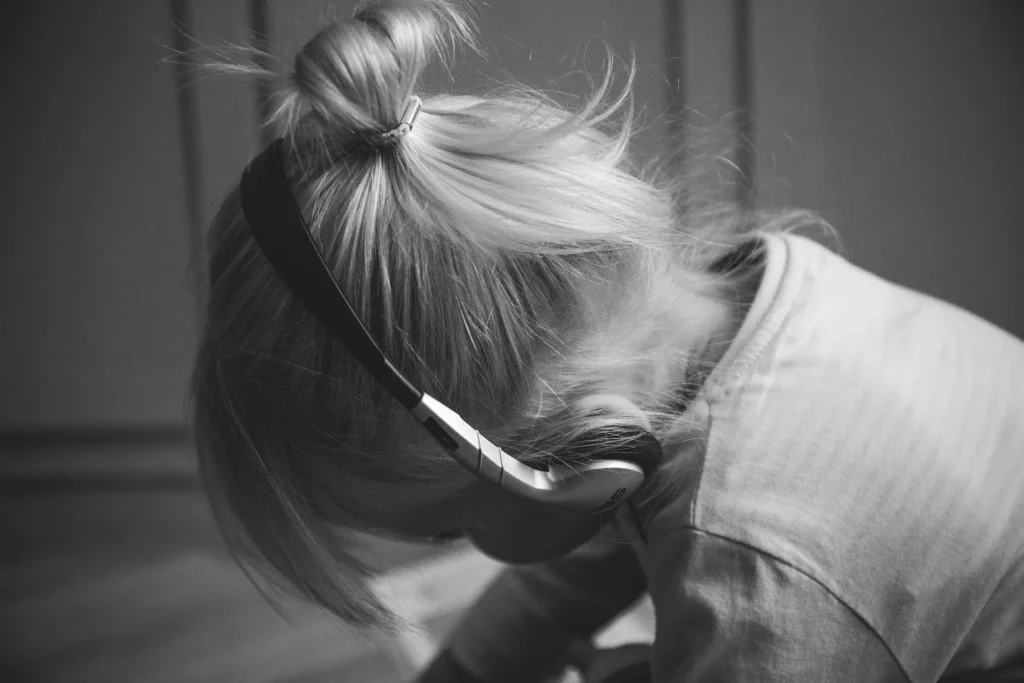
Replacing physical instruments with virtual games hinders the development of finger grip strength and weakens the direct sensory connection that physical reality provides to young children.
For this reason, the way in which Music influences the development of children's motor coordination. It depends on the child's active bodily engagement with the physical space around them.
How to structure simple music sessions at home?
To start today, create a space free of physical obstacles in the room, select a playlist with music of varying rhythms, and invite the child to dance freely.
Learn more: Yousician app review: is it worth it for beginners?
Alternate between periods of fast music and slow tempos, stimulating control of walking speed and helping the brain train motor inhibition when the music stops playing.
Use plastic containers and wooden spoons to create an improvised homemade drum set, teaching your child to control the intensity of their touch and the strength of their arms.
These simple household activities require zero financial cost, promote excellent emotional connection, and generate essential stimuli for motor and cognitive development at all stages of childhood.
Symphony of healthy child growth
The integration of sounds, movements, and affection is one of the most effective ways to ensure that children grow up with excellent body control, physical agility, and healthy emotional balance.
To access more up-to-date research on the neurological benefits of integrated physical activity in childhood, visit the public health portal of [website name]. University of São Paulo (USP).
Read more: Best motor coordination exercises for drummers
It is clear that the Music influences the development of children's motor coordination. In a lasting way, preparing the physical and intellectual foundations so that children can reach their full potential.
Frequently Asked Questions (FAQ)
From what age does a child react to musical rhythm?
Babies are already able to physically react to rhythm in the first months of life, making spontaneous movements with their arms and legs when they hear familiar sounds from their caregivers.
Do I need to buy expensive musical instruments for my son?
There's no need to spend money, as rattles made from small plastic bottles and grains of rice work very well for developing children's rhythmic perception at home.
Does the use of music apps replace real instruments?
Apps are not a substitute for physical objects, as the screen does not offer the tactile resistance necessary to strengthen finger muscles and improve fine motor coordination.
How can you help a child who is having difficulty with rhythm?
Be patient and engage in fun physical imitation activities, clapping slowly and allowing the child to follow the tempo of the song without demands or external pressure from the adult.
