
The history of the viola machete in the music of the Recôncavo Baiano region.
Understanding the profound history of the machete viola It requires a journey through time towards the social and cultural dynamics that shaped popular manifestations in the Recôncavo Baiano region.
Advertisements
This plucked string instrument acts as the melodic backbone of one of the greatest treasures of Brazilian intangible heritage: the Samba de Roda.
Their journey reveals the genius of the local musicians and builders who adapted old Portuguese-origin violas, transforming a colonial legacy into a genuine symbol of Afro-Brazilian identity and celebration.
The bright, melodic sound of this stringed instrument resonates as a living testament to ancestry, connecting generations of samba dancers and master craftsmen.
What defines the physical structure and sound of the viola machete?
Unlike the traditional violas found in the southeast of the country, this example immediately stands out for its reduced proportions and delicate contours that resemble a slender female silhouette.
Advertisements
The soundbox features a well-defined waist, a flat soundboard, and a short neck that typically houses ten metal or brass frets.
Its stringing traditionally consists of five courses of steel strings, arranged in pairs tuned in unison or octaves, tensioned under a rosewood fingerboard.
The reduced body size results in a markedly sharp sound projection, clean stridency, and a percussive timbre that perfectly cuts through the sound of the drums.
Analysis of this peculiar anatomical design proves that the history of the machete viola It is rooted in the scarcity of resources and the ingenuity of the old carpenters from the interior of Bahia.
Using native woods from the Atlantic Forest such as Vinhático and Cedar, the master craftsmen created an ideal acoustic engineering for outdoor singing.
How does the instrument contribute to the rhythmic driving of traditional Samba de Roda?
The Samba de Roda from the Recôncavo Baiano region functions as a collective musical ecosystem where each percussive element, clap, and sung verse responds to specific melodic commands from the machete player.
The instrumentalist not only performs decorative harmonic progressions, but also executes complex rhythmic patterns known in the region as "chula" or "corrido".
The nimble fingerpicking alternates between low bass notes and sharp high notes, directly interacting with the beat of the tambourine, the plate-and-knife, and the atabaque drum that sustain the pulse of the dance.
When the viola plays the characteristic strumming pattern of the chula, the singers begin the poetry and the audience falls silent as a sign of profound respect.
To consult official documents regarding the registration of samba de roda, access historical research on intangible cultural heritage, and verify actions to safeguard national musical traditions, the National Institute of Historic and Artistic Heritage (iphan.gov.br) It provides technical archives and historical certificates of high legal authority.
| Organological Technical Attribute | Viola Machete from the Recôncavo | Traditional Brazilian Country Guitar | Impact on Musical Performance |
| Box Length | Approximately 35 cm to 40 cm | Approximately 45 cm to 50 cm | Greater agility and less timbral sustain. |
| Most Common Tuning | “Terreiro” or “Natural” (D-G-B-D-G) | “"Cebolão" in Mi or Ré | Bright timbre ideal for cutting through percussion. |
| Traditional Woods | Vinhático, Cedar and Rosewood from Bahia | Pine, Fir and Cinnamon Laurel | Resonance adapted to the humid coastal climate. |
| Function in the Arrangement | Chula Driving and Chula Running | A mix of fashions and instrumental music. | Direct dialogue with the solo dancer's steps. |
Why did the traditional lutherie process almost disappear in the twentieth century?
The oral transmission of knowledge regarding the manufacture of this stringed instrument faced a severe crisis with the advance of urbanization and the mass introduction of imported industrial instruments.
The old master craftsmen of the Recôncavo region, who guarded the secrets of precise measurements and wood drying, passed away without finding young apprentices willing to follow in their footsteps.
The gradual replacement of the machete by the nylon-string guitar in rural samba circles drastically reduced market demand for new, customized instruments.
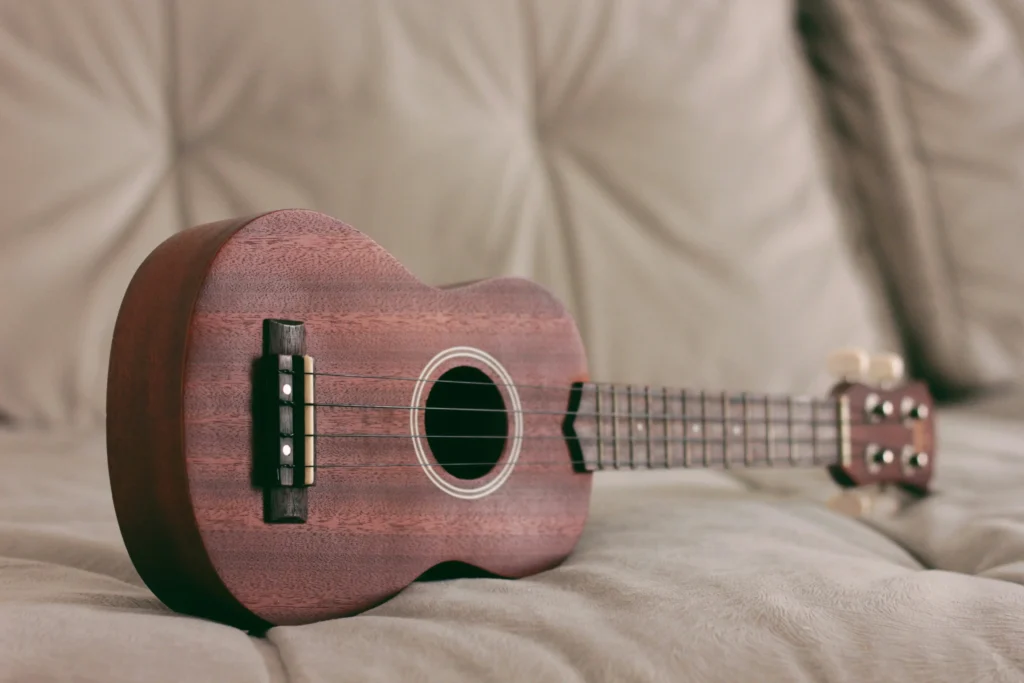
Read more: Review of guitar stands: stability and durability
This scenario of neglect nearly pushed the instrument to complete extinction, transforming rare remaining pieces into museum items or inaccessible family heirlooms.
Fortunately, the preservation of history of the machete viola It gained new momentum thanks to university projects focused on cultural mapping and the international recognition of Bahian culture.
Contemporary luthiers have initiated a reverse engineering movement, disassembling old instruments to catalog their dimensions and revive traditional acoustic joinery techniques.
When did cultural preservation efforts succeed in reviving the practice of machete-making?
The turning point for the survival of this musical practice occurred when the United Nations Educational, Scientific and Cultural Organization granted an international honorary title to Samba de Roda.
This global recognition has directed government and academic funds toward the creation of lutherie workshops and community music schools in Bahia.
Historic cities like Santo Amaro, Cachoeira, and Saubara have become centers of resistance, where children and young people have returned to learning the characteristic fingerpicking technique under the tutelage of traditional masters.
The circulation of new instruments allowed folk groups to resume their original formations, restoring the authentic sound texture to patron saint festivals.
Learn more: The construction of the dynamic viola used in rural Northeast Brazil.
Currently, interest in the instrument has expanded beyond the borders of Bahia, attracting researchers of stringed instruments from all over the world who seek to understand its connection with Portuguese violas.
This global network of enthusiasts ensures that technical knowledge is no longer restricted to geographical isolation, guaranteeing its continuous aesthetic evolution.
To research historical sheet music, access audio recordings of Brazilian folkloric manifestations, and explore academic monographs on the evolution of popular musical instruments, the National Library of Brazil (bn.gov.br) It offers digital access to rare documents and theses of great musicological value.
The perpetual echo of steel cables in preserving national memory.
The journey of rebirth of this small Bahian stringed instrument demonstrates that the preservation of a musical instrument is, fundamentally, the maintenance of the historical sovereignty of its people.
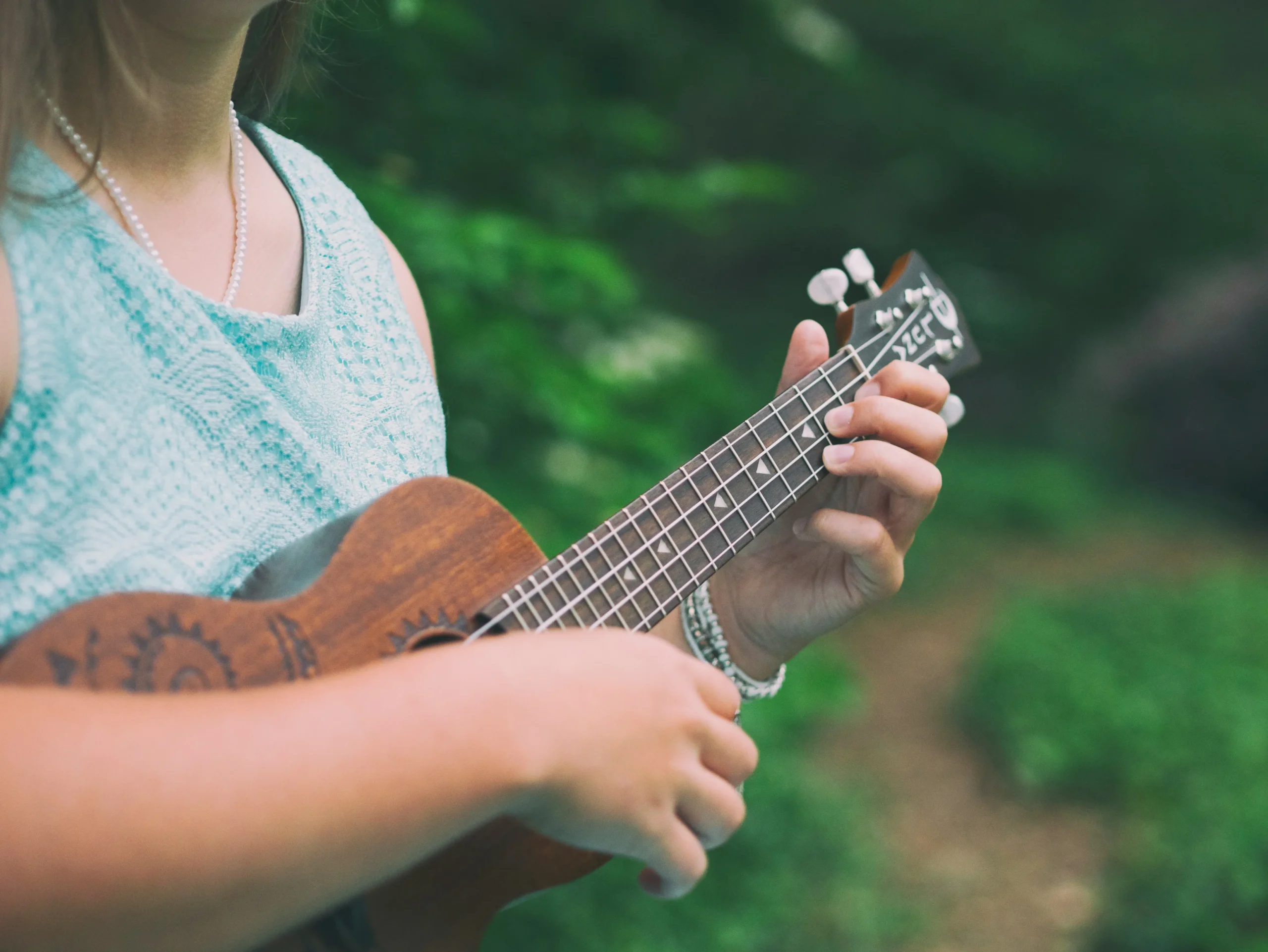
Protecting the machete means keeping alive the voice of communities that have transformed suffering into refined art, pulsating rhythm, and communal poetry.
Read more: Pentatonic scales on the guitar: practical applications in Brazilian Popular Music (MPB) and rock.
Analyze the specific physical characteristics tabulated in our organological matrix, appreciate the work of independent luthiers, and listen to the available historical recordings of samba de chula.
By supporting the dissemination of this acoustic heritage of the Recôncavo region, you directly contribute to ensuring that the richness of Brazilian music continues to resonate strongly for future generations.
Frequently Asked Questions about the Viola Machete
What is the fundamental difference between the tuning of a viola machete and a regular guitar?
The machete uses open tunings like the "Natural," where the open strings form a perfect chord, facilitating the quick playing of chulas (a type of Brazilian folk song).
Where can I buy a genuine, handcrafted viola machete today?
The purchase must be made by direct order with specialized luthiers based in cities of the Recôncavo Baiano region, such as Santo Amaro and Cachoeira.
What is the meaning of the term "Chula" within the universe of Samba de Roda?
Chula is a type of poetic samba where musicians play and sing complex verses while the participants in the circle remain still and listen.
Is it true that the viola machete is directly related to the Hawaiian ukulele?
Both share ancestry with the small-sized chordophones of Portugal, such as the Madeiran braguinha, which traveled along global maritime trade routes.
