
Brazilian cabuletê: how this instrument became a musical toy
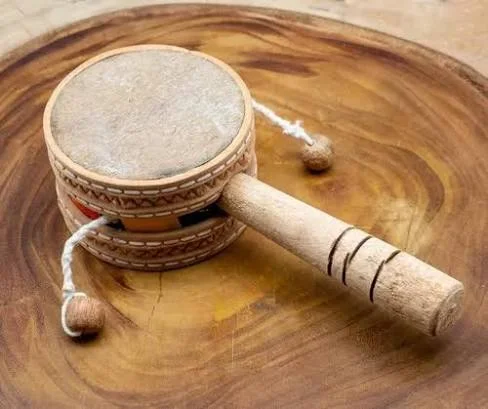
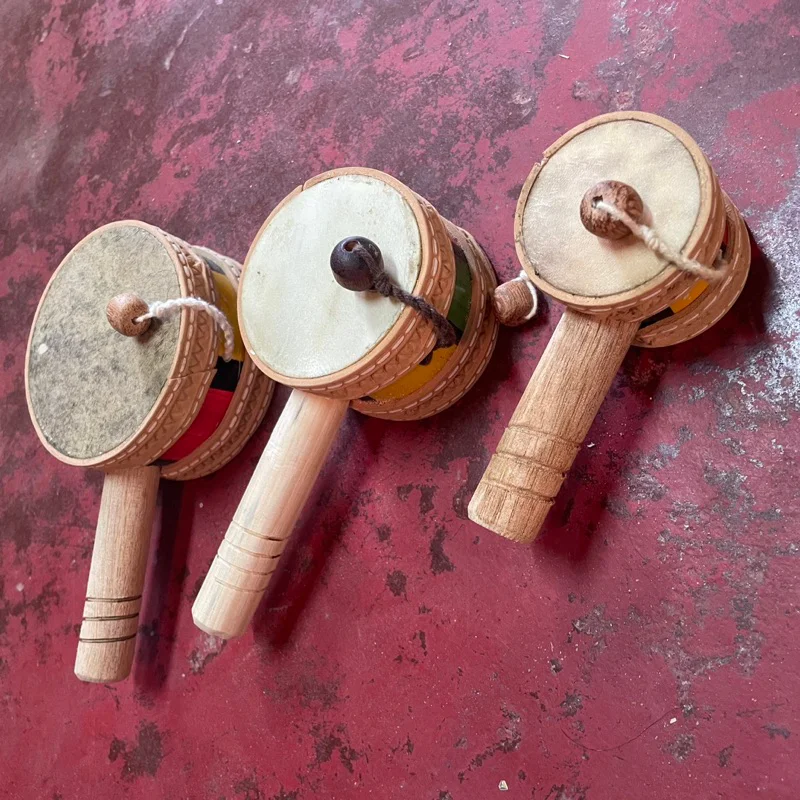
THE Brazilian cabuletê It represents a fascinating intersection between traditional percussion and the world of sound toys, enchanting generations with its simple rhythmic mechanics and vibrant sound.
Advertisements
Its structure, consisting of a small double-sided drum operated by spheres attached to side cords, transformed the instrument into an extremely popular educational and recreational tool.
Understanding this historical and functional evolution reveals how objects of popular culture keep national musicality alive, connecting ancestral traditions to children's cognitive development in the classroom.
What is cabuletê and how does its sound mechanism work?
Classified as an indirect friction drum or bump drum, the instrument produces sound through the rapid rotation of its wooden handle between the hands.
Centrifugal force causes two wooden beads or seeds attached by strings to alternately strike the stretched skins on each side of the sound box.
Advertisements
This mechanism eliminates the need for drumsticks or direct finger impact, allowing anyone to generate continuous rhythmic patterns with fairly simple hand movements.
The snappy, rapid sound resembles the clashing of small traditional percussion instruments, serving as an excellent pulse marker in musical performances and popular festivities.
How did the Brazilian cabuletê migrate from traditional percussion to toys?
Originally linked to folkloric manifestations and rituals of African and indigenous origin, the drum occupied a sacred and festive space in traditional street celebrations.
As artisan workshops and masters of popular culture adapted dimensions and materials, the Brazilian cabuletê It gained lightness, vibrant colors, and smaller shapes suitable for children's hands.
| Comparison Attribute | Traditional Master Version | Educational Toy Version |
| Body Material | carved fine wood or ceramic | Lightweight plywood, plastic or cardboard |
| Skin Type | Natural goat or muscovite leather | Nylon, synthetic leather or resin-coated paper |
| Percussive Element | Hard seeds or wooden beads | Plastic beads or lightweight wooden spheres |
| Main Purpose | Regional rituals, festivities and processions | Early childhood music education and motor development |
This transition from ceremonial use to commercial playfulness preserved the rhythmic essence of the instrument, ensuring its widespread use in craft fairs and schools.
Initiatives for cataloging and safeguarding Brazilian intangible heritage are continuously coordinated by National Institute of Historical and Artistic Heritage, federal authority on cultural assets.
Its popularity as a musical toy has not diminished its historical value, but has expanded its presence in homes and educational centers throughout the country.
Why do educators use this sound toy in early childhood music education?
The use of percussion toys in childhood stimulates fine motor coordination by requiring synchronized wrist rotation to maintain a steady rhythm.
The immediate sound response provided by the instrument strengthens the perception of cause and effect, encouraging auditory exploration and the discernment of dynamic intensities.
Accessible and intuitive, the rotating drum allows children without prior musical training to actively participate in group dynamics and collective percussion arrangements.
Introducing this playful element into schools promotes respect for national cultural roots, connecting practical learning to the preservation of Brazilian folklore traditions.
How to make a handmade cabuletê using recycled materials?
The homemade construction of the instrument constitutes an enriching pedagogical activity that combines environmental awareness, manual arts, and basic physical concepts of percussive acoustics.
Read more: How the eight-bass accordion gained popularity in Northeastern Brazilian forró music.
Using sturdy, round cardboard boxes or shallow cans to form the sound box provides the necessary structural base for the functional toy.
A centrally positioned wooden stick serves as a support cable, while two strings with beads at the ends are tied to the sides of the body.
Colorful paintings and collages with folkloric motifs personalize the object, transforming the construction process into a complete creative experience for the students.
What precautions ensure the durability of the educational tool?
Preserving the integrity of the leather and securing the side cords prevents premature wear caused by continuous use in busy school environments.
Avoiding excessive exposure to moisture and direct heat prevents natural leather from losing the ideal tension to produce a clear sound.
Regularly checking the knots that hold the percussion balls prevents small parts from coming loose during handling by young children.
Storing instruments in well-ventilated places, protected from falls, prolongs the life of the wood and ensures safety during play.
Learn more: Gaucho Sopapo: The History of the Black Drum of Rio Grande do Sul
Academic studies and research on the evolution of traditional artistic expressions are available on the portal of Ministry of Culture, an organization that promotes national diversity.
The continued care for musical toys preserves cherished memories and values the artisanal work of those who keep this tradition alive.
Conclusion
The transformation of Brazilian cabuletê A sound toy demonstrates the capacity for renewal of popular culture without the loss of its identity roots.
Read more: Caixa do Divino: how the drum marks the festivals of Maranhão
Its adoption in children's music education projects ensures that the rhythm and history of national percussion remain present in the daily lives of new generations.
Investing in the preservation and dissemination of these playful instruments strengthens intangible cultural heritage and enriches practical learning in education.
Frequently Asked Questions (FAQ)
Is the cabuletê considered a professional musical instrument?
Although widely used as an educational toy, professional percussionists also employ the instrument in specific arrangements to achieve unique and continuous sound effects.
From what age can children play with the cabuletê?
The instrument is recommended for children from the age of three, provided that the side spheres are firmly attached to prevent the risk of swallowing.
What is the difference between a cabuletê and a flexible tambourine?
The cabuletê works by rotating the handle, which makes the beads hit the skin, while the pandeiro requires direct impact of the hands on the surface.
