
How to use a training pad to increase speed.
Learn How to use the training pad Increasing speed on percussion instruments requires consistency, precise technique, and a structured method of daily practice.
Advertisements
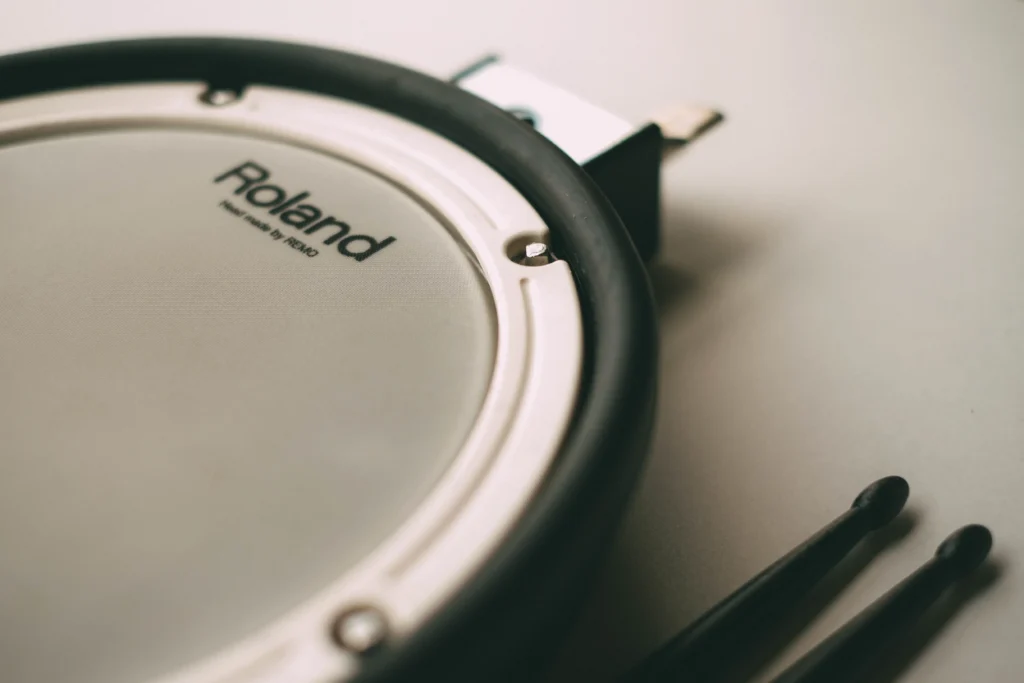
This compact and quiet accessory allows drummers and percussionists to develop muscle control, refine stick rebound, and strengthen their wrists without the need for a full drum kit.
Many beginner and intermediate musicians make the mistake of focusing solely on physical strength, ignoring the physics of rebound and the economy of movement essential for achieving high speed.
Understanding the mechanics of playing and applying progressive routines transforms practice on the accessory into real gains in agility, rhythmic precision, and muscular endurance on the main instrument.
What makes practicing with the accessory so effective at speeding up hand movements?
Developing sustained speed requires isolating the fundamental hand and arm movements, eliminating resonance and acoustic distractions from a traditional acoustic drum.
Advertisements
The rubber or silicone surface offers a controlled rebound response, forcing the percussionist to use micro-adjustments of the fingers and free movement of the wrists.
| Surface Type | Rebound Level | Joint Response | Main Training Objective |
| High Density Rubber | High and Fast | Low Overload | Agility in the fingers and quick movements. |
| Soft Natural Gum | Moderate | Ideal Balance | Pulse control and double note ruff |
| Fabric Surface/Suitcase | Almost Zero | High Muscular Demand | Strengthening the forearm and building endurance. |
| Double Layer Silicone | Hybrid | Impact Absorption | Precision touch and accent control |
Fundamental techniques on biomechanics and the development of rhythmic control can be found on the portal of Percussive Arts Society, a leading global institution in percussion.
To know How to use the training pad Strategically, this involves combining high-intensity sessions with the rigorous use of the metronome at progressive tempos.
The increase in speed does not occur through brute force, but rather through the optimization of muscle relaxation after the initial impact of the drumstick on the surface.
Eliminating unnecessary tension in the shoulders and forearms allows the drumstick to swing freely, doubling the number of strokes per second with less energy expenditure.
How to structure a daily routine focused on gaining speed?
Starting the session with ten minutes of slow-paced warm-up prepares the joints and increases blood flow to the finger flexor muscles.
Working on essential rudiments like simple touches (single stroke roll) and double taps (double stroke rollThis ensures symmetrical development between the dominant and non-dominant hand.
Using the tempo pyramid technique, increasing by five BPM every two minutes of clean execution, builds lasting muscle memory without creating bad habits.
Finishing the workout with resistance exercises at moderate speeds improves timing accuracy and prevents repetitive strain injuries caused by excessive fatigue accumulated in the joints.
What is the correct way to hold drumsticks to maximize rebound?
Finding the equilibrium point (fulcrumThe use of the drumstick represents the first step in allowing the rubber to work in favor of the percussionist's muscular agility.
Pressing the drumstick excessively with your thumb and forefinger blocks the natural vibration of the wood, drastically reducing the maximum speed achievable during playing.
Keeping your ring and pinky fingers lightly resting around the drumstick ensures directional control without blocking the springy return after the initial hit.
Alternating between the American, German, and French styles allows for the exploration of different muscle groups, adapting the motor response according to the rhythmic demands of the music.
Why is relaxation control the secret to fast execution?
Performing fast, rhythmic passages requires the muscles to contract only for the millisecond of impact and relax immediately during the upward movement.
Continuous muscle tension acts as an invisible brake, causing premature fatigue, stiffness in the hands, and severe loss of synchronization with the metronome.
Frequent practice with the accessory teaches the mind to monitor small points of tension in the body, correcting posture before fatigue compromises performance.
Achieving high tempos becomes a natural consequence when the flow of movement becomes fluid, without internal resistance in the wrist and elbow joints.
Detailed guidelines for preserving occupational health and preventing injuries in musicians are available at [link/reference]. Performing Arts Medicine Association, specialized medical authority.
Read more: How to master rhythmic independence on the drums with exercises.
To know How to use the training pad It transforms the study routine into an efficient process, preventing pain and ensuring consistent results on the battery.
Devoting exclusive time to mechanical improvement outside of the complete instrument accelerates musical evolution, preparing the percussionist for any rhythmic challenge on stage.
What common mistakes hinder the progression of learning speed?
Ignoring the continuous use of a metronome creates a false sense of speed, resulting in rushed, imprecise performances lacking real rhythmic stability.
Increasing the pace of training before mastering the mechanics of movement at low speeds reinforces technical flaws that are difficult to correct in the future.
Learn more: A complete guide to drum cymbal types and their functions.
Relying solely on arm strength instead of developing wrist coordination and finger leverage limits the maximum speed potential.
Neglecting adequate rest between intense training sessions prevents muscle recovery, increasing the risk of tendinitis and chronic forearm pain.
Conclusion
Accelerating the hands with precision and control is the result of conscious practice, focused on muscle relaxation and the intelligent use of natural rebound.
The training accessory functions as an indispensable technical laboratory, allowing for the adjustment of biomechanical details that go unnoticed in the loud sound of the drums.
Read more: How to adjust the drum head for better sound
Maintaining daily discipline and respecting the body's limits ensures a sustainable increase in speed, raising the percussionist's technical level and musicality.
Frequently Asked Questions (FAQ)
How much time per day should I practice on the pad to see results?
Daily, 20-30 minute sessions yield superior results compared to long, sporadic workouts, as they ensure the consolidation of muscle memory without overloading the joints.
Could practicing only on a pad negatively affect the sound on a real drum kit?
No, as long as you alternate technical practice on the accessory with sound application on the drums and cymbals, adapting the tactile response between the different surfaces of the instrument.
What is the best type of drumstick for speed training?
Slightly heavier and more balanced drumsticks, such as the 5A or 2B models in hickory wood, help strengthen the wrist muscles during rhythmic control exercises.
