
Comparison: Chinese violins vs. handcrafted Brazilian violins
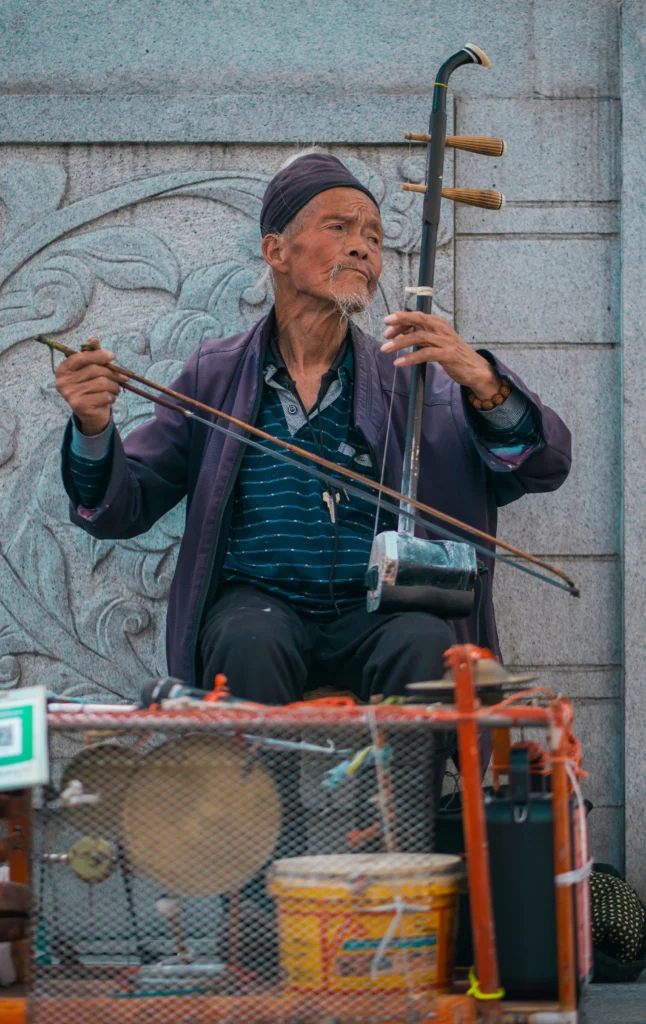
When analyzing the market of Chinese violins vs. handcrafted Brazilian violins, We realize that the choice between industrial scale production and the luthier's touch defines not only the sound, but the musician's very breath control.
Advertisements
By 2026, Asian manufacturing technology had reached astonishing levels of precision, while Brazilian luthiery had established itself as a global benchmark in alternative woods and tailored sound.
This guide explores the technical nuances, costs, and cultural weight of each choice.
Let's delve into what makes each instrument unique, helping you decide where to invest your artistic dedication with the confidence of someone who knows the ground they're standing on.
What are Chinese violins and how do they dominate the market?
Instruments from China have gone from being low-quality toys to becoming the global standard.
Advertisements
Currently, large factories use high-precision CNC machines to carve tabletops and bases, ensuring standardization that eliminates the gross assembly errors of the past.
This efficiency allows a beginner to acquire a solid wood instrument for a fraction of the price of a European one.
However, the clash Chinese violins vs. handcrafted Brazilian violins It reveals that the "soul" of the sound is often lost in an assembly line that is too fast to hear the nuances of the wood.
It's a decent instrument to start with, but one that rarely accompanies the musician as they mature technically.
How will Brazilian artisanal lutherie work in 2026?
Luthiery in Brazil is experiencing a golden age, driven by professionals who have mastered classic Cremona techniques but adapted them to our tropical climate.
The Brazilian artisan luthier dedicates hundreds of hours to a single piece, adjusting thicknesses according to the specific density of the wood he hand-picked from the supplier.
There is something unsettling about the cold, industrial perfection when compared to the organic beauty of a handmade violin.
The national craftsman manages to extract dark and powerful tones, often using the Brazilwood for luxury components or certified domestic woods that challenge the hegemony of European Maple.
The result is an instrument with its own unique DNA, designed to project sound in concert halls, not just classrooms.
Why is the choice of wood so crucial to the tone?
While China imports tons of maple and spruce from Russia and Europe to satisfy its industrial hunger, Brazilian artisans treat each plank as a treasure.
In comparison Chinese violins vs. handcrafted Brazilian violins, The natural maturation of Brazilian wood often far surpasses the accelerated drying processes in industrial kilns.
Learn more: Essential Care for Wooden Instruments
Wood that has been naturally dried for decades results in stable instruments that don't "scream" in the high notes.
The handcrafted instrument "opens up" its sound over time, evolving with the musician, while the industrial one tends to maintain a static sound, limited by the internal tensions of a manufacturing process that did not have time for the wood to settle.
Comparative Table: Chinese Industrial vs. Brazilian Artisanal (2026)
| Feature | Chinese Violin (Intermediate) | Handmade Brazilian Violin |
| Construction | CNC machines with manual finishing touches. | 100% manual by a single author |
| Wooden Tabletop | Industrialized Spruce | European or National Selected Spruce |
| Varnish | Polyurethane or Alcohol (Spray) | Oil varnish or shellac (brush) |
| Assembly | It almost always requires post-purchase adjustment. | Delivered ready for the stage. |
| Average Price | R$ 2,500.00 to R$ 8,000.00 | R$ 12,000.00 to R$ 45,000.00 |
| Resale Value | Immediate depreciation | Appreciation as a work of art and heritage |
What are the main differences in the mounting adjustments?
A critical point when comparing Chinese violins vs. handcrafted Brazilian violins It is the assembly of the soundpost, the bridge, and the tuning pegs.
Chinese instruments often arrive with "soft" wooden fittings, which can warp or jam in our humidity, requiring you to spend a good amount of money at a repair shop within the first week.
The handcrafted Brazilian violin, however, is born with high-performance accessories. The bridge is sculpted for that specific string tension, and the tuning pegs turn like silk.
This results in comfort that prevents injuries and fatigue, something that is often misinterpreted by beginners who think that finger pain is due to lack of practice, when in fact it is just a poorly assembled violin.
When should you invest in a handcrafted Brazilian instrument?
The transition to a luthier-made instrument usually happens when you feel that the mass-produced violin has stopped responding to you.
The investment in Chinese violins vs. handcrafted Brazilian violins It should be guided by longevity: handcrafted items are companions for a lifetime.
It's not just about luxury; it's about the ability of sound to travel through an orchestra and reach the back of the room.
Direct after-sales support from the creator allows for fine-tuning adjustments that maintain the acoustic integrity of the piece for decades.
Professional musicians know that the violin is an extension of the body, and Brazilian craftsmanship offers this connection in a visceral way.
How important is varnish in sound projection?
Chinese factory varnish is usually a thick, rigid layer of polyurethane, designed to shine and resist scratches, but which ends up "suffocating" the vibration of the tabletop.
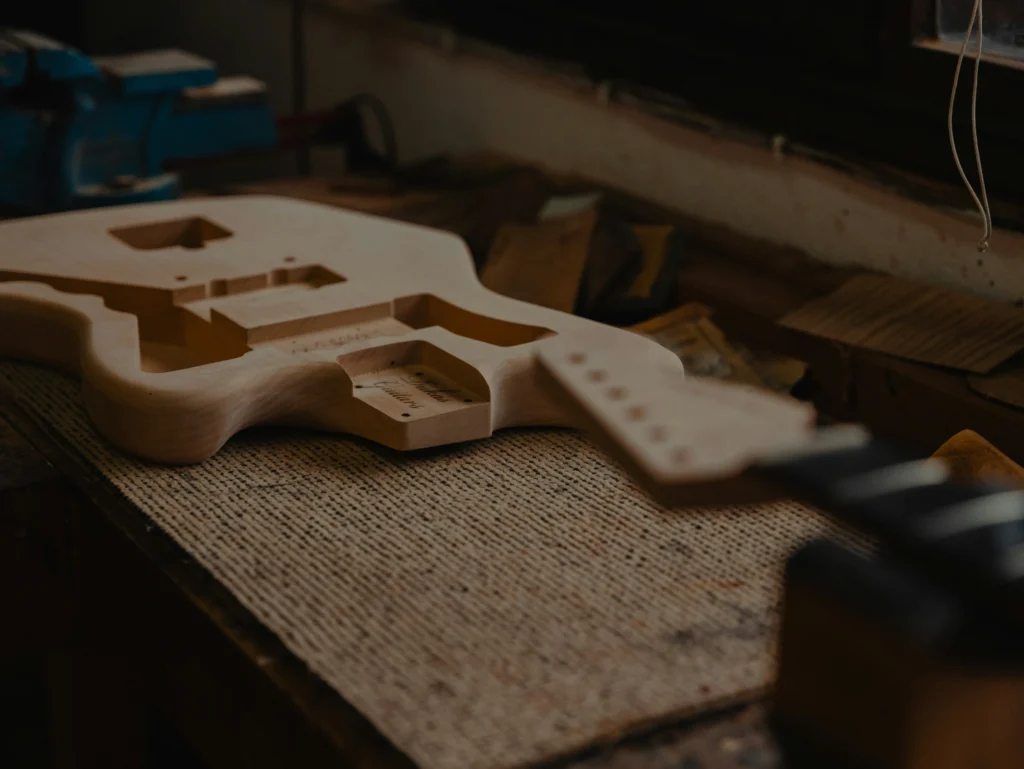
In the duel Chinese violins vs. handcrafted Brazilian violins, The handcrafted oil varnish is advantageous because it allows the wood to pulse freely.
Many Brazilian luthiers use centuries-old techniques that provide a deep visual transparency. This delicate layer protects without compromising the richness of harmonics.
The result is a colorful and balanced tone across the four strings, something that machines, however precise they may be, have not yet learned to simulate.
How does the market value the resale of these instruments?
The liquidity of a Chinese violin is high because it is cheap, but it will never be an investment.
When observing Chinese violins vs. handcrafted Brazilian violins, It becomes clear that a handcrafted instrument functions as a financial asset. It gains prestige as the luthier becomes renowned and the wood ages.
To understand the export and certification standards for fine wood instruments, the Order of Musicians of Brazil It offers guidelines that help protect your assets.
Read more: Review of Brazilian percussion instruments for beginners
Buying a Brazilian violin is supporting the local creative economy and ensuring a legacy for future generations of violinists.
The dispute between Chinese violins vs. handcrafted Brazilian violins There is no absolute winner, just different goals.
If you're just starting out and on a tight budget, China offers decent entry points. But if you're looking for identity and an artistic voice that truly stands out, Brazilian lutherie is the way to go.
Choose with your ears, but decide with technical reason. The sound you produce deserves the best support your budget can afford.
FAQ: Frequently Asked Questions
Are Chinese violins from famous brands better than those made by beginner luthiers?
Not always. Brands focus on aesthetics and standards, while a beginner luthier focuses on acoustics to make a name for themselves. Always test the instrument to feel its response before paying for the price tag.
Can Brazilian woods truly replace European maple?
Yes, research and blind tests show that certain native species possess excellent resonance. Many award-winning luthiers already use "native" species in their best designs.
Why is the price difference so glaring?
The price reflects the time. You pay for 10 years of wood drying and 200 hours of manual labor by a specialist, versus automated production in minutes.
How can you tell if a Chinese violin is "premium"?
Check that the wood is solid, that the fingerboard is made of genuine ebony, and that the varnish doesn't look like a layer of plastic. Avoid instruments painted in garish colors.
Is it worth "upgrading" a cheap Chinese violin?
Most of the time, no. The cost of a new bridge, soundpost, strings, and ebony pegs can be twice as much as the violin itself. It's better to save that money for your first handmade violin.
