
Maintenance guide: how to clean a violin without damaging the varnish
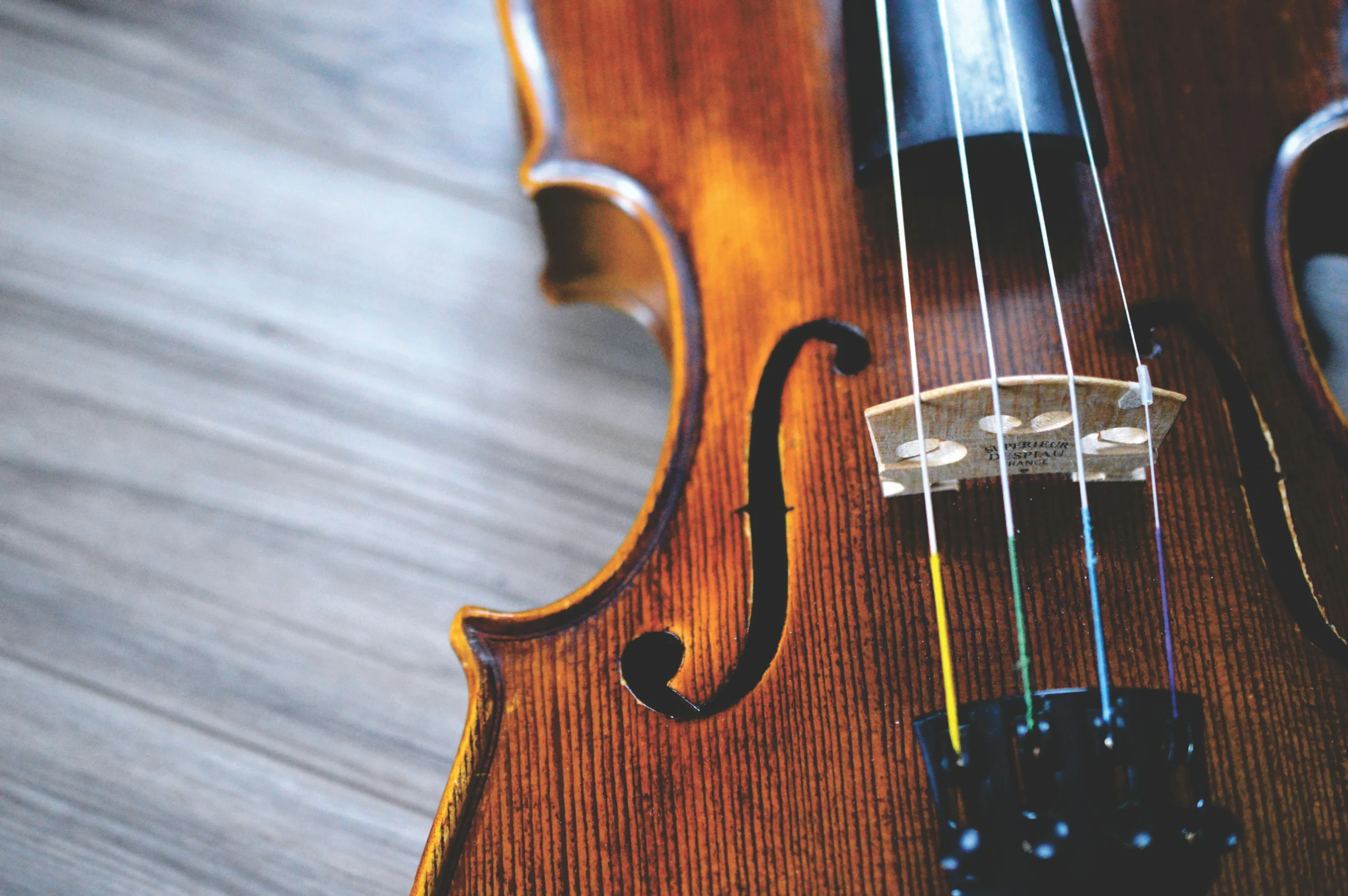
Knowing how Cleaning a violin without damaging the varnish This is the first step in ensuring that your instrument maintains not only its impeccable aesthetics, but also its acoustic integrity over the decades.
Advertisements
The varnish on a violin is not merely an adornment; it acts as a skin that protects the wood against moisture, the oils from our skin, and the corrosive buildup of rosin.
In 2026, with the resurgence of artisanal lutherie and easier access to cutting-edge materials, understanding the chemistry behind this maintenance has become a must for any musician.
In this guide, we'll explore safe cleaning techniques, the real dangers of household solvents, and how to establish a preservation routine that truly enhances the value of your property.
Prepare your kit and your best microfiber cloth, because the professional method requires patience and the right touch.
Advertisements
Why is proper varnish care vital for the sound?
The varnish acts as a membrane that controls the vibration of the soundboard, directly influencing the projection and brightness of the tone.
If this layer is worn away by harsh chemicals, the wood is left bare and exposed to variations that cause cracks and warping that are often irreversible.
When trying Cleaning a violin without damaging the varnish, However, you need to keep in mind that the finish is extremely sensitive to alcohol and organic solvents.
A careless cleaning can literally melt the original varnish, altering the instrument's resonance and destroying its market value in a matter of seconds.
There's something unsettling about how many musicians strive for a "mirror-like" shine; this is often misinterpreted as cleanliness, when in fact it may simply be a buildup of wax that muffles the sound.
The real goal of professional maintenance is to remove external dirt without suffocating the wood with unnecessary layers of grease.
What materials are safe for cleaning a violin?
The most powerful tool for the modern violinist is the high-density microfiber cloth. It removes rosin dust without the need for any liquid, provided it is washed regularly with mild soap to prevent the accumulation of resin particles that could act like sandpaper the next time it is used.
For heavier cleaning tasks, there are specific cleaners that do not contain silicone or petroleum solvents in their formula.
These products are tested to interact neutrally with the natural resins of classic varnish. Avoid rough cotton cloths or paper towels; the stiff fibers of these materials create micro-cracks that, over time, will ruin the instrument.
Many luthiers suggest using high-purity vegetable oils, but this is a double-edged sword.
If you don't have the technique to remove the excess, you'll end up with a sticky surface that attracts even more dirt. When in doubt, less is always more.
How to safely remove accumulated tar?
Rosin powder is slightly acidic and, if left on the tabletop, can "fuse" with the varnish due to the heat from hands or the environment.
The most effective way to Cleaning a violin without damaging the varnish Prevention is key: thorough dry cleaning after every study session or concert.
Gently wipe the surface and under the mirror with the cloth, ensuring that no white residue remains in critical vibration areas.
Read more: Comparison: Chinese violins vs. handcrafted Brazilian violins
If the rosin is already encrusted and opaque, never try to scrape it off with your fingernail or spatulas; this will remove flakes of the original varnish along with the dirt.
In critical cases, a tiny drop of mineral oil on a soft cloth can help soften the old resin, allowing it to be removed with a dry part of the cloth.
For those who wish to understand in depth the science of preserving precious woods, the portal of Smithsonian Institution It is an unbeatable reference on the preservation of historical instruments.
Cleaning Materials and Their Risks
| Material | Recommended Use | Risk to the Varnish | Technical Recommendation |
| Microfiber | Diary (Dust and Pitch) | Null | Essential after each use. |
| Alcohol 70%+ | Only on the Strings | Most High | Never touch the wood. |
| Furniture polish | Prohibited | Average | It creates a crust and alters the sound. |
| Almond Oil | Occasional shine | Low | Use just one drop on the cloth. |
| Distilled water | Sweat stains | Low | Cloth only “damp” |
How important is cleaning the mirror and the ropes?
While the body of the violin requires almost surgical delicacy, the ebony fingerboard can withstand a slightly more direct cleaning to remove accumulated sweat from the fingers.
Strings, however, are a different story: oxidation and rosin on them impair the purity of the sound and the accuracy of the tuning.
You can use isopropyl alcohol to clean the metal strings, but here's the golden rule: protect the soundboard with a thick flannel cloth.
Learn more: What is the Ideal Age to Start Children's Violin Lessons?
If even a single drop of alcohol touches the wood, you'll get an instant whitish stain that only a luthier can fix, and it won't be cheap.
Keeping the strings clean prolongs the life of the string set and facilitates changes in position and vibrato, making playing more fluid.
Seeing an instrument with a gray and opaque mirror due to lack of care is the clearest sign of a musician who still hasn't understood the connection between maintenance and performance.
What are the most common mistakes in home maintenance?
The most common mistake is using perfumes or household solvents to try to remove grease stains. These products contain alcohol and fragrances that chemically corrode the varnish.
Another danger is excessive pressure; the top of a violin is thin and can give way if you apply too much force while cleaning it.
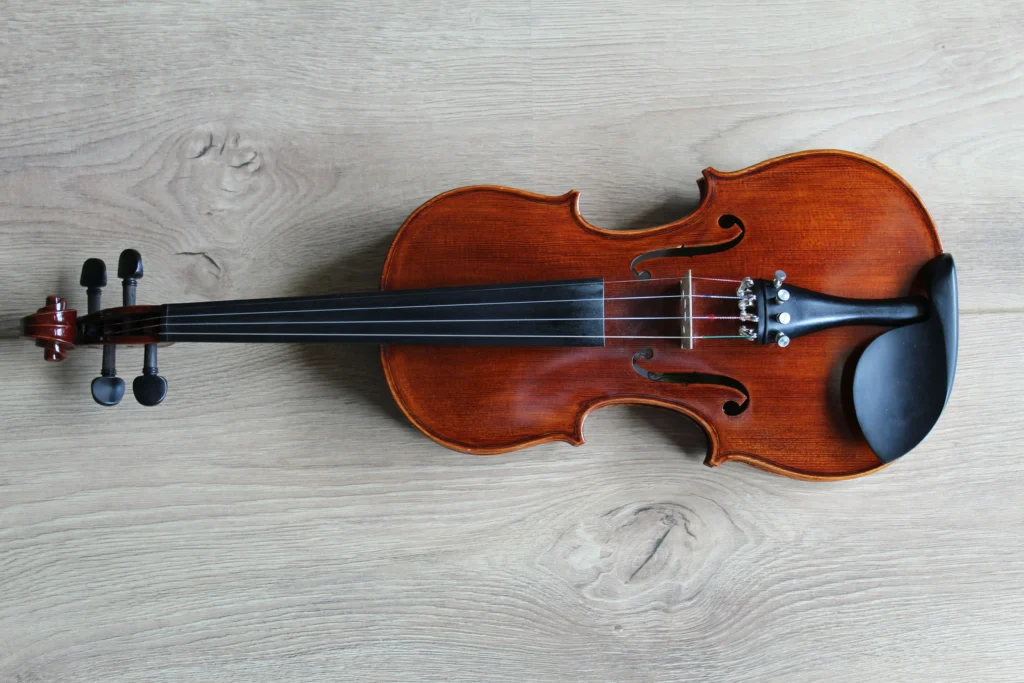
Remember to also check the f-holes (the "F"s) of the violin. Dust buildup inside the soundbox can muffle the sound and attract mites that damage the internal wood, which lacks varnish protection.
Learn more: How to Avoid Fret Buzz in String Instruments
An occasional interior cleaning with dry, uncooked rice grains can help trap this hidden dirt.
For a more in-depth technical look at construction and the impact of finishes on sound, the VSA (Violin Society of America) It offers high-level articles on the science of lutherie.
Taking care of your violin is an exercise in patience and respect for the instrument's history.
Every minute invested in careful cleaning translates into years of vibrant sound and an aesthetic that transcends generations without losing its original brilliance.
Here are the most frequently asked questions that arrive at luthiers' workbenches, answered directly to prevent small doubts from becoming permanent damage to your instrument:
FAQ: Frequently Asked Questions about Violin Cleaning
Can I use regular furniture polish to shine a violin?
Absolutely not. Household products contain waxes and silicones that create a greasy layer on the wood. This not only stifles the natural vibration of the soundboard, impairing the sound, but also makes future gluing more difficult should the instrument require professional restoration.
How to remove sweat stains that have turned whitish?
Sweat is corrosive due to the natural salts and acids in the skin. If dry cleaning with a microfiber cloth doesn't work, use a cotton cloth that is very lightly dampened with distilled water. Wipe gently and dry immediately with another cloth to prevent moisture from penetrating the wood pores.
What should you do if a drop of alcohol falls on your varnish?
Do not attempt to clean or scrub immediately, as the alcohol will melt the varnish and you will end up spreading the stain or creating a hole in the finish. Let the drop dry on its own and take the instrument to a luthier. They will polish or reapply the resin evenly and safely.
How often should I change my cleaning cloth?
The microfiber cloth should be changed or washed as soon as you notice it becoming stiff or yellowed. A cloth saturated with old rosin becomes abrasive, acting like fine sandpaper that will remove the shine and thickness of the varnish with each pass.
Is it safe to clean the inside of a violin with rice?
Yes, it's an old and effective technique. Place a handful of uncooked, dry rice through the "f" holes, gently shake the instrument so the grains capture the accumulated dust, and then pour it all out. This helps maintain internal hygiene without introducing chemicals or moisture.
