
Epiphone vs Cort Guitars: Value for Money
To analyze Epiphone vs Cort guitars From a cost-benefit perspective, it reveals two distinct industrial philosophies vying for the preference of beginner, intermediate, and professional musicians.
Advertisements
Epiphone has a prestigious reputation for replicating iconic Gibson models, offering classic formats like the Les Paul and SG with undeniable traditional aesthetic appeal in the music market.
On the other hand, Cort stands out for its own manufacturing capabilities in Asia, offering superior technical specifications and high-end hardware at significantly more affordable prices.
Understanding which of these brands delivers the best real value requires evaluating the quality of the finish, the pickups installed, tuning stability, and the residual resale value.
What are the differences in construction and materials between the two brands?
Epiphone focuses on faithfully recreating vintage specifications, employing thick mahogany bodies, set necks, and high-durability, high-gloss polyurethane finishes.
Advertisements
Cort focuses on contemporary design, utilizing modern ergonomics, anatomical binding, expressive flamed maple tops, and jatoba or ebonol fingerboards with stainless steel frets.
| Comparison Criteria | Epiphone Guitars (Inspired by Gibson Series) | Cort Guitars (CR, KX and G Series) | Practical Impact for the Guitarist |
| Factory Pickup | Epiphone ProBucker or Gibson USA pickups | Voiced Tone, Cort Powersound or Seymour Duncan pickups | It defines the dynamics, clean tone, and output level. |
| Bridge and Hardware | LockTone Tune-O-Matic bridges and Grover tuners | Cort, Wilkinson or Hardtail floating bridges with locking mechanism. | It determines the stability of the pitch and the sustain. |
| Arm Joint | Set-neck arm (traditional set-neck) | Ergonomic bolt-on arm or modern set-neck | It alters access to the higher frets and the natural sustain. |
| Cost-Benefit Factor | Added value through branding and licensing. | Premium specifications with a smaller brand margin. | Delivers more technical features for every dollar invested. |
Detailed technical data sheets and instrument specification catalogs can be found on the official website of [Company Name]. Epiphone Guitars, a global reference in stringed instruments.
In the dispute between Epiphone vs Cort guitars, The choice depends on prioritizing historical and aesthetic value or versatility of features for the amount invested.
While Epiphone's ProBucker pickups offer warm, velvety tones typical of classic rock, Cort equips its mid-range models with incredibly quiet electronics.
Cort's manufacturing consistency is a pleasant surprise, considering the company has been producing instruments under contract for several well-known global brands for decades.
Why does Cort offer more technical features at lower price points?
Owning its own industrial facilities in Indonesia allows Cort to cut out intermediaries, reducing the final cost of production without compromising the selection of high-quality woods.
This production efficiency translates into the inclusion of locking tuners, precision floating bridges, and push-pull pickup phasing systems as standard features.
Epiphone invests heavily in licensing patented designs and in rigorous quality control aligned with the standards required by its US headquarters.
Musicians interested in exploring multiple musical genres will find in Cort models a versatile sound palette ready for the stage without the need for immediate modifications.
Which brand holds its best resale value in the used market?
The visual and historical prestige associated with Gibson ensures that Epiphone guitars depreciate less and are more liquid on used sales platforms.
Advertisements for Epiphone Les Paul Standard or SG models often attract buyers quickly due to sentimental appeal and brand recognition.
While Cort is acclaimed by luthiers for its impeccable construction, it faces greater commercial resistance from novice buyers who are only looking for famous logos on the headstock.
Investing in Cort represents an excellent deal for those seeking to hold the instrument for years, prioritizing playability over commercial financial speculation.
How do ergonomics and arm profile influence a musician's choice?
Epiphone necks replicate the comfortable profile of the fifties and sixties, featuring a moderate C shape that appeals to blues and classic rock enthusiasts.
Cort develops thinner, more modern profiles, making it easier to quickly execute arpeggios, shredding techniques, and complex chords across the entire scale.
The satin finish on the arm, present in several Cort lines, provides a smoother glide without the friction of glossy varnish.
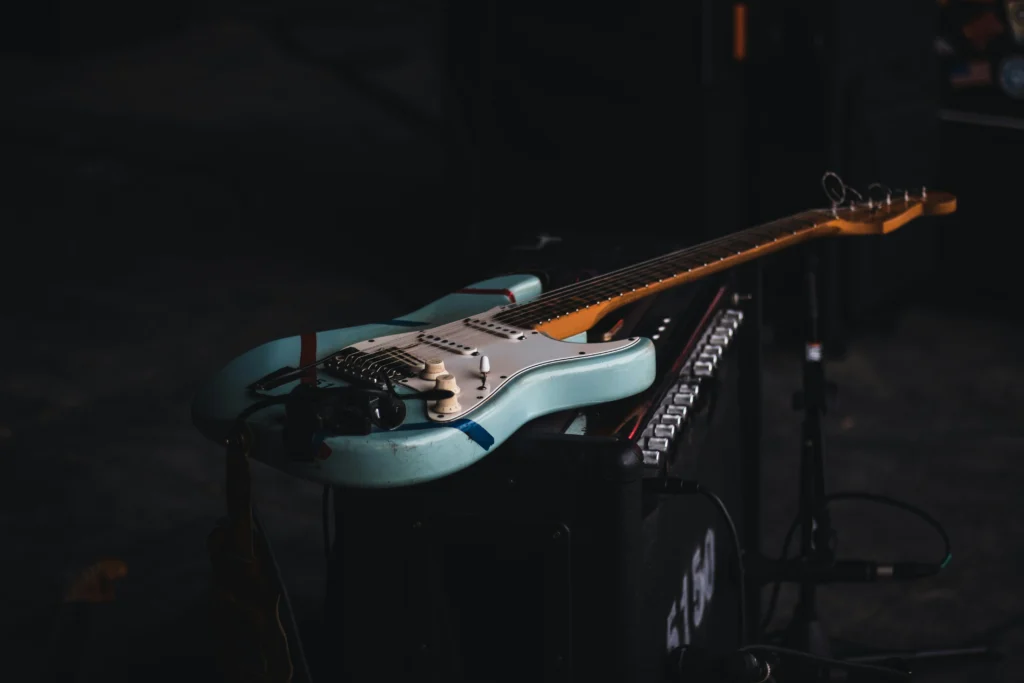
Personally testing the arm grip is essential to ensure physical comfort during long rehearsal sessions or extended live performances.
Read more: What is tapping on the guitar and how to start practicing?
Market analyses and reviews of audio equipment and instruments are available in the specialist magazine. Premier Guitar, an international authority on guitar coverage.
Evaluate the confrontation between Epiphone vs Cort guitars It allows you to identify which instrument accurately meets the guitarist's technical needs without breaking the budget.
Choosing any of these brands guarantees access to reliable instruments, capable of keeping pace with the musician's technical evolution for many years of practice.
Which brand is the best option for beginners and intermediate users?
Beginners seeking visual inspiration from their rock idols are often captivated by the classic look and striking presence of Epiphone guitars.
Intermediate students who require greater mechanical stability, edge-free frets, and tonal flexibility often prefer the rationality and precision of the Cort.
Learn more: Comparison: Fender Player Series Guitars vs. Mexican Standard Guitars
The final decision should weigh whether the musician's desire is to flaunt the legendary aesthetics of rock or to take advantage of optimized technical specifications.
Both manufacturers offer entry-level models of very high quality that easily surpass the manufacturing standards of decades past.
Conclusion
The comparison between the two Asian giants demonstrates that the current market offers exceptional options for all types and budgets of guitarists.
Read more: Review of the Positive Grid Spark GO guitar study kit
Epiphone stands out for its brand value, aesthetic fidelity to the classics, and excellent market acceptance when reselling used instruments.
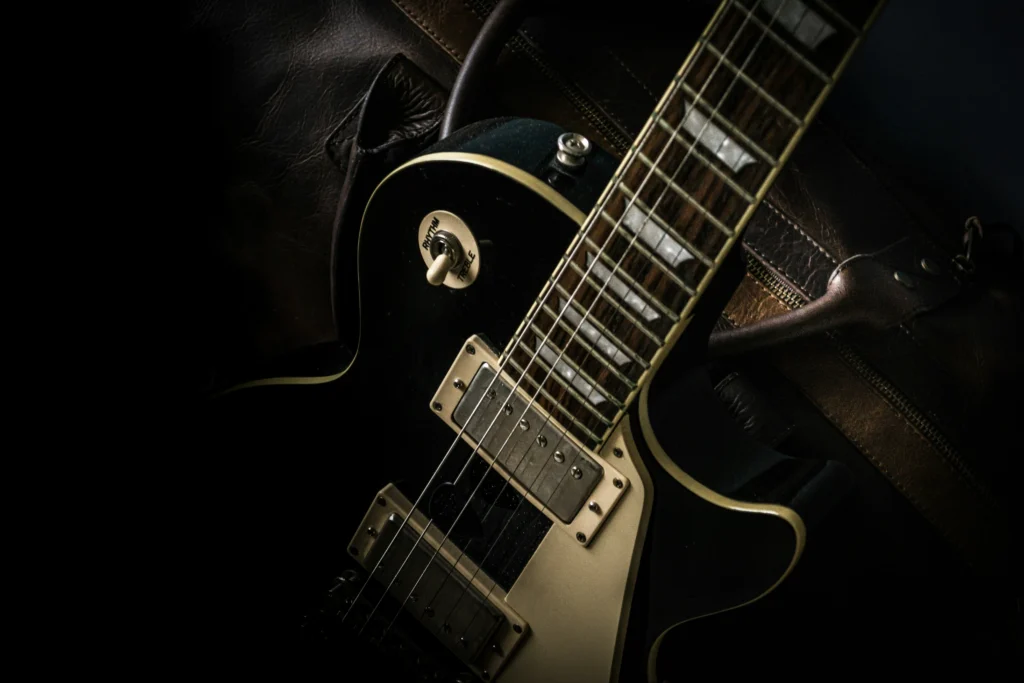
Cort wins in terms of raw cost-benefit, delivering superior components, modern playability, and impeccable finish for a lower financial investment.
Frequently Asked Questions (FAQ)
Are Epiphone guitars manufactured by Gibson?
Epiphone is a subsidiary of Gibson; its instruments are manufactured in Asia under the direct supervision and technical specifications of Gibson's engineering team.
Does Cort manufacture guitars for other famous brands?
Yes, Cort's factory in Indonesia is one of the largest in the world and produces instruments under contract for several well-known international brands.
Which Cort line directly competes with the Epiphone Les Paul?
The Cort CR (Classic Rock) series was specifically designed to compete with single-cut models, offering a vintage look and high-gain pickups.
