
Comparison: Fender Player Series Guitars vs. Mexican Standard Guitars
Analyze the line of Fender Player Series guitars A comparison with older Mexican Standard instruments reveals how the North American giant has modernized its instruments manufactured in Ensenada to meet the demands of today's market.
Advertisements
The retirement of the classic Standard line in 2018 gave way to updated specifications, offering improved pickups, enhanced neck playability, and new finish patterns for discerning musicians.
What changed in the transition from the Mexican Standard line to the Player Series?
The transition represented a profound redesign of the instruments, replacing traditional components to deliver more defined tones and greater anatomical comfort during musical performance.
The neck now features a 22-fret medium-jumbo scale, surpassing the old 21-fret standard, allowing for wider note bends in the higher positions of the scale without restricting resonance.
The introduction of a 9.5-inch radius of curvature and the satin-finished "Modern C" shaped back profile ensured a smoother glide for the guitarist's hand.
Advertisements
Assess the impact of Fender Player Series guitars It's worth noting the abandonment of the old ceramic pickups in favor of Alnico 5 magnets, bringing back the classic snappy sound of the brand.
The two-pivot bridge with bent steel saddles replaced the six-screw block, providing a significantly smoother, more stable, and precise lever action on stage.
What are the technical differences between Alnico 5 and ceramic pickups?
The ceramic pickups from the old Standard line delivered a higher and more aggressive output, but lacked dynamics in clean tones and exhibited slightly harsh highs in tube amplifiers.
The adoption of Player Series Alnico 5 speakers brought back the harmonic clarity, full-bodied bass, and transparent midrange that made the vintage models of the fifties and sixties so successful.
The table below compares the actual technical and construction specifications between the two generations of guitars manufactured at the Ensenada factory in Mexico to guide your purchase:
| Technical Characteristic | Fender Mexican Standard (Up to 2018) | Fender Player Series (2018-Present) |
| Pickup Type | Ceramic (High output, modern tone) | Alnico 5 (Articulated vintage tone) |
| Number of Frets | 21 Medium-Jumbo Frets | 22 Medium-Jumbo Frets |
| Bridge System | Vintage tremolo with 6 screws. | Synchronized tremolo with 2 pivots |
| Body Woods | Alder (Whip in special editions) | Selected alder with new finishes |
Analyzing these differences helps the musician decide whether it's worth investing in a new model from the store or looking for a used instrument from a previous catalog.
Why did the bridge and fretboard upgrade affect tuning stability?
The tremolo system anchored to two pivots reduces mechanical friction during lever use, keeping the strings in tune even after more expressive movements during performances.
The tremolo block also received a mass adjustment, resulting in a sustain prolonged and efficient transmission of body vibrations to the ironwood or maple neck.
To view detailed hardware specifications, historical catalogs, and current product lines, visit the website of Fender Musical Instruments Corporation.
Try the Fender Player Series guitars This demonstrates how small changes in body contour and arm definition eliminate muscle fatigue during long recording sessions.
The dedicated tone control for the bridge pickup on the Stratocaster corrected a historical limitation of the Standard series, allowing for the taming of excessive treble without requiring modifications to the electrical circuit.
Which model is most worthwhile for your profile and budget in 2026?
Acquiring a used Mexican Standard only makes financial sense if the price charged is considerably lower than the price of used models in the current Player line.

Guitarists seeking crystal-clear tones for styles such as blues, pop, funk and rock In the updated version, classic users will find a tool ready for the job without needing to... upgrades.
Instrumentalists focused on heavier styles of heavy metal They could have benefited from the older ceramic pickups, although the inclusion of the humbucker option in the current lineup addresses that need.
Read more: The most iconic guitar solos in Brazilian guitar and how to study them.
The constant appreciation of imported instruments in Brazil transforms both product lines into highly liquid assets in the country's market for pre-owned or used musical equipment.
Analyzing the condition of the frets and the alignment of the truss rod remains essential when evaluating any instrument manufactured in previous years by third parties.
Where can I find official information and technical support for musical instruments in Brazil?
Entities in the audio and instrument sector oversee the import and regulation of electronic and musical equipment legally marketed throughout the national territory.
Seeking guidance from consumer protection websites and authorized distributors ensures the purchase of genuine products accompanied by an invoice and manufacturer's warranty from the official importer.
Learn more: Comparison: compact pedalboards vs. advanced pedalboards for guitar
To consult consumer rights, market regulations, and purchasing guidelines in Brazil, visit the portal of... Federal Government of Brazil.
Understanding the qualities of Fender Player Series guitars It simplifies your purchase decision, guaranteeing a reliable instrument to accompany your musical evolution for many years of practice.
Testing both variations in person at a music store remains the best method for evaluating the neck's feel and sound response to your touch.
Choose the ideal instrument for your tone and musical style.
The evolution of Mexican manufacturing has solidified the Player series as the absolute benchmark for mid-range value for musicians who demand the authentic sound of the Californian brand.
Read more: What is tapping on the guitar and how to start practicing?
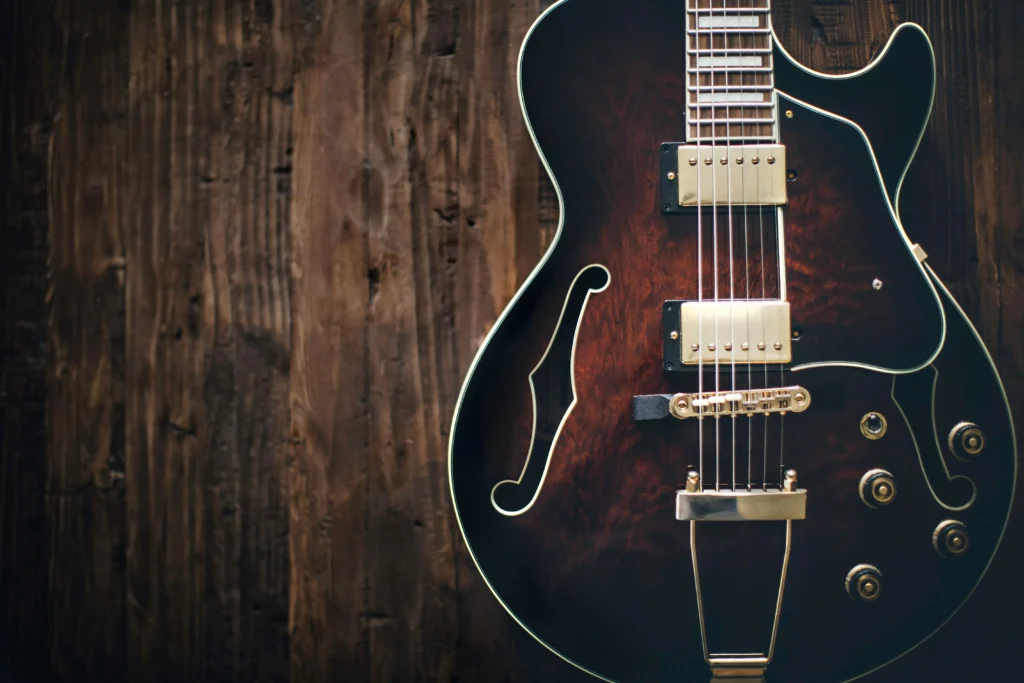
The preference for Fender Player Series guitars This is justified by the refinement of the Alnico 5 pickups, the inclusion of the twenty-second fret, and the superior finish of the modern neck.
Assess your tonal needs, visit a specialized store, test the playability of the models, and make a safe investment to take your sound to a new level.
FAQ (Frequently Asked Questions)
Has the Fender Player Series completely replaced the Mexican Standard line?
Yes. In 2018, Fender officially discontinued the Standard line manufactured in Mexico, launching the Player Series as its direct replacement with several technical and aesthetic updates.
What is the difference between a pau-ferro (Brazilian ironwood) fretboard and a maple fretboard?
The scale in maple (Borbo) offers a slightly brighter timbral response and clear visuals, while pau-ferro has a dark tone similar to jacaranda, with warm mid-tones.
Is it worth replacing the pickups on an old Fender Mexican Standard?
Yes. Installing a set of pickups with Alnico magnets in the older Standard guitar brings its sonic response much closer to that of the Player Series, although the physical structure of the neck remains different.
Where are Fender Player Series guitars manufactured?
The Player Series line is produced at the official Fender factory located in Ensenada, Baja California, Mexico, maintaining rigorous quality control standards.
