
Maintenance guide for Brazilian percussion instruments.
Structuring a Instrument maintenance guide Percussion is fundamental to preserving the authentic timbre, precise tuning, and durability of the drums in samba and maracatu.
Advertisements
The tropical Brazilian climate imposes constant variations in humidity and temperature, factors that accelerate the wear and tear of animal hides, the oxidation of hardware, and the warping of wooden bodies.
Adopting careful routines for cleaning, lubricating tie rods, and preventive maintenance avoids unnecessary expenses on complex structural repairs, ensuring that the percussionist maintains a high level of performance.
How can we protect animal and synthetic furs from weather damage?
Cowhide or goat skins used in atabaques and surdos react intensely to changes in humidity, requiring careful tuning before each performance and complete loosening after use.
Applying pure mineral oils or specific vegetable oils in minimal quantities prevents the drying out of natural leather, thus preventing cracking and deformation caused by excessive sun heat.
Advertisements
On the other hand, synthetic nylon skins used in tambourines and snare drums only require cleaning with a slightly damp cloth, without the application of abrasive chemicals or aggressive solvents.
To understand the patterns of preservation of the intangible heritage of the country's musical culture, consult the collection of National Institute of Historical and Artistic Heritage.
Protecting the drums from direct exposure to rain maintains the correct membrane tension, preserving the sound projection necessary for band rehearsals and outdoor stage performances.
What are the best techniques to prevent oxidation of metal hardware?
The iron and brass hardware found in rims, straps, and tuners suffers from the acidity of sweaty hands and the sea air of Brazilian coastal cities.
Cleaning the tie rods with a dry cloth after each test removes residual moisture, while periodically applying petroleum jelly to the threads ensures smooth adjustment without stripping the screws.
Preventing dust accumulation in maracatu and repinique drum boxes prevents the tension mechanisms from seizing, extending the lifespan of the entire mechanical drum assembly.
Consult this Instrument maintenance guide It helps create efficient home care routines, keeping the metal shiny and free from deep structural rust spots.
Below, we present a table detailing the main practical care, the recommended maintenance frequency, and the materials indicated for the conservation of percussion instruments.
| Component | Type of Material | Maintenance Frequency | Recommended Materials and Products |
| Natural Furs | Bovine/caprine leather | Each presentation or weekly | Light mineral oil and clean flannel |
| Synthetic Leather | High-density Mylar nylon | Every two weeks or after heavy use. | A soft cloth dampened with pure water. |
| Tie Rods and Threads | Galvanized steel / brass | Monthly or before tuning | Solid petroleum jelly or silicone grease |
| Body / Shell | plywood or aluminum | Monthly | Beeswax (wood) or aluminum cleaner |
Identifying the correct materials for each drum component reduces the risk of accidental damage, ensuring a clean, powerful, and expressive sound during musical performances.
How to clean and preserve wooden and aluminum bodies?
Wooden shells require periodic application of natural beeswax to nourish the plant fibers, sealing the pores against mold and maintaining the instrument's perfect resonance.
The storage of drums and other instruments should always take place in well-ventilated areas, elevated from the ground and away from walls with leaks, to prevent irreversible warping of the drum.
Aluminum instruments, such as repiniques (a type of Brazilian percussion instrument) and frying pans, need to be polished with neutral products to remove fingerprints and residue from drumsticks worn down by continuous friction.
Regularly inspecting the inside of the shells prevents termite infestation in the wood, as well as identifying structural cracks before they compromise the instrument's acoustics.
With the continued application of this Instrument maintenance guide, The percussionist extends the lifespan of his equipment, preserving the rich sound of traditional Brazilian rhythms.
When can you replace worn parts without compromising the original acoustics?
Bent or stripped tie rods should be replaced immediately with parts of the same diameter and thread, preventing uneven stress distribution on the edge of the synthetic skin.
Rims damaged from falls require professional alignment in specialized workshops, as the deformation of the metal prevents the correct seating of the drumhead and distorts the central harmonics.
Read more: The history of the tambourine in samba: evolution and modern techniques.
Snare drum and bass drum wires lose their ideal tension over time and should be replaced as soon as the wires show visible slack or clear signs of oxidation.

Replacing the straps on lanyards before major events prevents accidents, ensuring ergonomic comfort for the musician to carry the instrument during hours of performance.
Regularly checking the electrical connections of amplified percussion instruments, such as tambourines with pickups, ensures a clean, noise-free signal on professional live soundboards.
Where should the drums be stored safely during transport?
Investing in padded, waterproof nylon cases with thermal reinforcement protects instruments against mechanical impacts and sudden temperature changes during tour trips.
Stacking drums of different sizes requires the use of protective mats between the pieces, preventing scratches to the paint and direct damage to the lower response heads.
Learn more: Tips for Maintaining Wind Instruments in Humid Climates
Never store instruments with the skins fully stretched in hot places, as the expansion of internal air or the contraction of the leather can suddenly tear the membrane.
Transporting drums in closed trunks requires extra attention to the time they are exposed to extreme sun heat, preventing the varnish on the drumheads from drying out excessively.
To view sheet music, acoustic research, and historical archives of popular music from our country, visit the official website of... Moreira Salles Institute.
Preserving the sound and respecting the musical instrument.
Properly caring for percussion instruments is an act of respect for musical tradition and the history of the masters who shaped the identity of Brazil's popular rhythms.
Read more: Maintenance guide: how to clean a violin without damaging the varnish
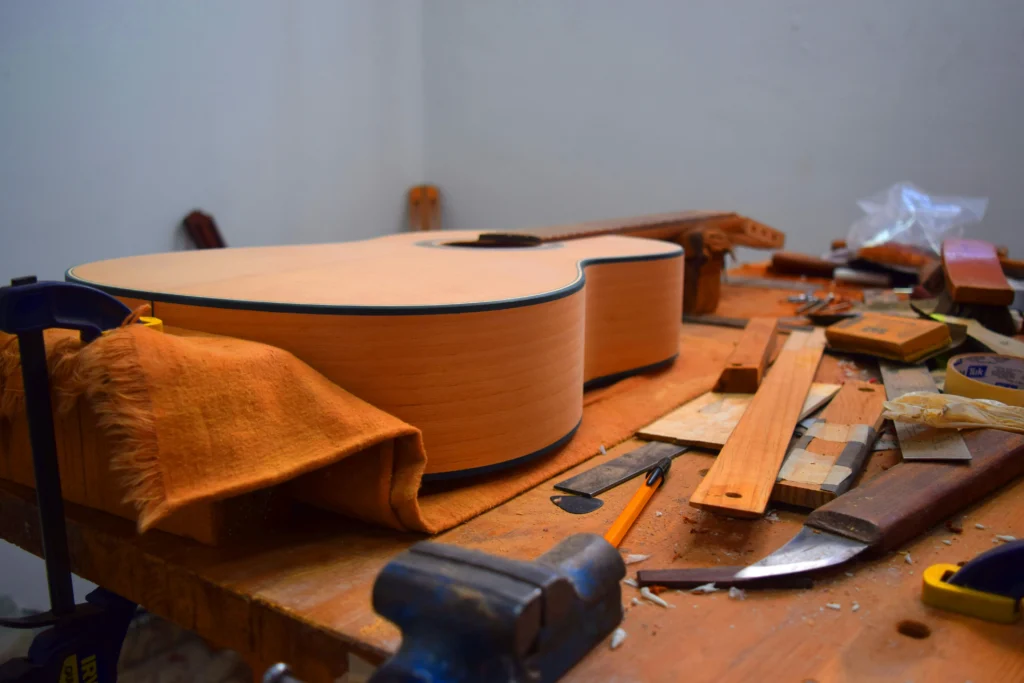
Maintaining a routine of proper cleaning, lubrication, and storage enhances the musician's equipment, ensuring distinctive tones and high-fidelity sound on any stage or street.
Adopt these maintenance practices today, extend the lifespan of your drums, and continue to unleash the power of Brazilian percussion with maximum quality.
FAQ (Frequently Asked Questions)
How often should I loosen the hides of natural leather?
Natural leather hides should be loosened immediately after each rehearsal or performance to prevent the drying air from tearing the membrane under continuous tension.
Can I use cooking oil to lubricate the drum's tie rods?
Cooking oil should not be used, as it oxidizes, becomes sticky, attracts dust, and damages the threads; always use petroleum jelly or neutral silicone grease.
How can mold be prevented from growing on wooden hulls?
Store instruments in dry, well-ventilated areas, away from direct contact with the floor, and use breathable covers with silica gel packets inside.
What is the ideal product for cleaning greasy synthetic leather?
The ideal product is a microfiber cloth lightly dampened with warm water and mild soap, followed by thorough drying of the surface with a clean flannel cloth.
