
Rimshot techniques in the box and when to use them.
Mastering the Rimshot techniques The snare drum transforms the sound projection of a drummer, adding cutting frequencies that help the instrument cut through dense musical mixes on stage or in the studio.
Advertisements
This physical articulation technique requires precise motor coordination to strike the drumhead and the metal rim in the same millisecond.
Achieving this consistency of performance without injuring the wrists differentiates amateur musicians from the highly sought-after professionals in today's music industry in 2026.
This guide analyzes the biomechanical fundamentals and stylistic criteria necessary to use this technique with intelligence, musical authority, and physical safety.
What is this percussive stroke and how does it alter the sound of the snare drum?
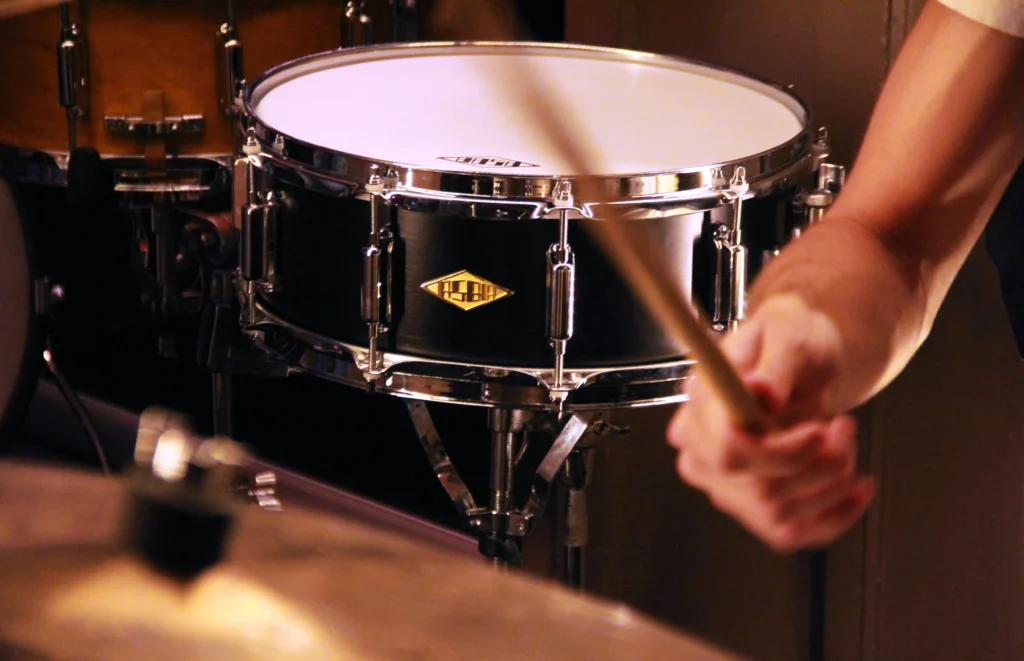
The basic mechanics consist of striking the snare drum so that the body of the drumstick touches the metal rim while the tip simultaneously hits the drumhead.
Advertisements
This double collision generates an overlap of metallic high frequencies with the natural low end of the wooden body, dramatically expanding the volume and attack.
Unlike the conventional strike in the center of the drum, this effect results in a characteristic snap that projects ghost notes and main accents with maximum clarity.
Adjusting the angle of the neck's descent alters the ratio of sound generated by the wood to the metal of the drum rim.
The regular application of Rimshot techniques It increases acoustic pressure without requiring the musician to apply excessive physical force to the shoulder or elbow joints.
Understanding this basic physics of the instrument prevents premature fatigue during long performances and ensures a consistent, professional sound in concert halls of any size.
How to perform the different stick placement variations step by step?
To get the perfect snap, hold the drumstick firmly, but without excessive stiffness in your fingers, keeping your arm parallel to the rim of the snare drum.
The movement should originate from the wrist, allowing the natural weight of the wood to do the impact against the metal structure of the drum.
Changing the point of contact of the drumstick tip towards the edges of the drumhead modifies the timbre, generating more open, strident harmonics that are easier to sing.
Shifting the strike to the exact center results in a full-bodied, focused sound, ideal for driving rhythmic grooves in classic rock.
To deepen your knowledge of musical acoustics, the physics of percussive materials, and the dynamics of sound wave propagation in professional recording studios, the academic portal of Acoustical Society of America (Acoustics.org) It provides detailed scientific articles and research.
| Positioning Variation | Point of Impact on the Skin | Timbristic Characteristics | Recommended Musical Style |
| Centered Rimshot | Geometric center of the drum | Full-bodied, focused, little excess. | Rock, Traditional Pop, Metal |
| Peripheral Rimshot | Near the edges of the rim | Strident, rich in harmonics | Reggae, Ska, Classic Funk |
| Cross-Stick (Rimclick) | Drumstick lying on the skin | Click clean, dry, and woody | Bossa Nova, Jazz, Ballads |
| Muffled Rimshot | Center with manual compression | Dry snap with short decay | Hip-Hop, Modern Neo-Soul |
Why does the choice of rim design influence the sound result?
The type of rims Triple Flanged They possess greater physical flexibility, offering a softer touch response and complex harmonics that are easy to control with dampeners.
They extend the lifespan of drumsticks due to the shape of their curved edges, and are most common on mid-level snare drums.
Cast rims, technically known as Die-Cast, They have a rigid, heavy, and dense structure that concentrates the energy of the blow in a brutal way.
This material stability generates an extremely aggressive snap, ideal for drummers who need maximum volume and highly precise tuning response.
Adjust the Rimshot techniques The hoop design installed on your drum set prevents frequent wood breakage and improves the dynamic performance of your daily training.
Each instrument reacts uniquely to the pressure applied, requiring the player to have a keen auditory sensitivity to extract the best performance from the available equipment.
When can this articulation be integrated into the arrangements to enhance the music?
Experienced musicians use this technique to signal section changes within a song's structure, such as the transition from a gentle verse to an explosive chorus.
The characteristic snap acts as a dynamic beacon, guiding the guitarists and bassist in the intensity of the collective instrumental performance.
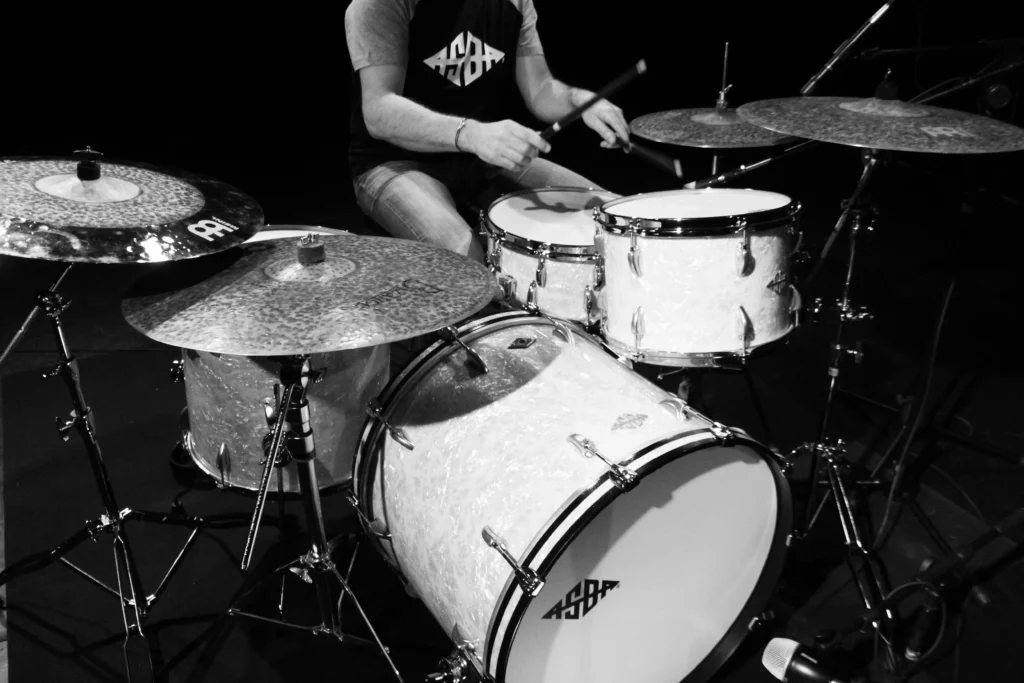
Read more: Alfaia: The Heavy Drum of Maracatu Pernambucano
In the world of funk and R&B, the effect is interspersed with subtle ghost notes, creating a rhythmic balance rich in contrasting volumes and intentions.
This controlled pressure variation prevents the drum line from sounding monotonous or excessively linear to the ears of the audience or producers.
Consistency in Rimshot techniques It ensures that the sound engineer can adjust the mixing console compressors without experiencing unexpected volume spikes.
This technical predictability is what solidifies a studio drummer's reputation as a reliable, precise, and highly efficient professional.
What ergonomic precautions can prevent chronic wrist injuries in musicians?
The most common mistake among drum students is locking their forearm muscles in an attempt to achieve a louder or more voluminous sound.
This stiffness transfers all the energy from the direct impact to the wrist tendons, paving the way for serious chronic inflammation such as tendinitis.
Learn more: Full Review: Compact Electronic Drum Kit for Apartment Livers
Allow the drumstick to bounce naturally after striking the rim, using the physics of rebound to help relax the muscles in your hands.
Maintaining proper spinal alignment and adjusting the height of the box to waist level facilitates the execution of the movement without harmful compensatory effort.
To monitor health guidelines for music industry workers, access occupational injury prevention programs, and review studies on the biomechanics of instrumentalists, visit the website of Jorge Duprat Figueiredo Foundation for Occupational Safety and Medicine (Fundacentro) It offers essential technical publications.
Refined dynamics as a hallmark of the professional drummer.
An instrumentalist's technical development reaches maturity when they understand that maximum volume should not be the only tool for musical expression on stage.
The nuances of the attack transform a simple drum beat into an unmistakable artistic signature, respected by arrangers and audio engineers.
Read more: Slap techniques on the cajón for Brazilian rhythms.
Practice the movements at slow tempos with the aid of a metronome, focusing on the millimeter-precise simultaneous contact between wood, skin, and metal.
This investment of time will yield significant results in your overall sound, solidifying your identity as a complete, versatile drummer, prepared for any recording challenge.
Frequently Asked Questions about Cash Flow Dynamics
Does the constant use of this technique reduce the lifespan of drumheads?
Yes, the concentrated impact near the rim or in the center accelerates the wear of the plastic film, requiring more frequent drumhead changes to maintain the original tone.
What is the practical difference between the rimshot and the cross-stick technique?
The rimshot strikes the drumhead and rim simultaneously to create a loud sound, while the cross-stick rests the stick on the drumhead to snap only the rim.
Is it possible to create this type of snapping sound on smaller drums like tambourines?
Not with the same mechanics as a drum kit, as the structure of smaller drums requires specific drumsticks or whips to achieve sharp projections without damaging the edges.
How does tuning the resonant head affect the snapping sound on the rim?
A very loose resonant head stifles the snare drum's snare wires, reducing the effectiveness of the metallic snap generated by the impact of the drumstick on the top rim.
