
Rimshot techniques in the box: when and how to use them.
Mastering the rimshot techniques in the box It transforms the dynamics of a drummer, giving the instrument volume, sound projection, and an impressive richness of harmonics.
Advertisements
This technique involves simultaneously striking the drumhead and the metal rim with the drumstick, generating a snappy, dense, and extremely distinctive sound.
Many beginner musicians confuse the application of the stroke with the execution of the... cross-stick, However, understanding them in a distinct way raises the level of interpretation on stage or in the studio.
Mastering the variations in movement allows one to control the energy of the music, adjusting the precise timbre required by styles ranging from heavy rock to sophisticated jazz.
What is rim and skin accenting and how is it different from cross-stick?
The combined stroke occurs when the body of the drumstick hits the rim in the same millisecond that the tip touches the center of the snare drumhead.
Advertisements
Unlike cross-stick (or horizontal hoop), where the wood rests firmly on the skin to generate a dry and contained sound, the open accentuation projects energy.
This sonic mechanism produces a combination of high and low frequencies, cutting through the band's sonic mix without requiring excessive physical exertion from the drummer during the show.
Knowing the rimshot techniques in the box It expands the expressive repertoire, allowing for fluid and impeccable mechanical control when switching between smooth timbres and explosive beats.
How should you position your hands, drumsticks, and drum for precise playing?
Adjusting the angle of the drum in relation to the musician's body determines the consistency and ease of daily adjustment of this type of accentuation.
Excessive drum tilt makes simultaneous contact difficult, causing the drumstick to scrape against the rim or only hit the drumhead, resulting in weak and unbalanced tones.
Keep your arm relaxed, using the natural weight of the drumstick and a slight rotation of your wrist to direct the impact with total angular precision.
The point of contact between the wood and the rim should occur in the middle third of the drumstick, preserving the balance, tactile response, and durability of the accessory.
Technical Comparison of Impact Variations in the Box
| Technical Variable | Drumstick Angle | Point of Impact on the Skin | Predominant Timbre Response | Recommended Musical Application |
| Traditional Open Rimshot | Almost parallel to the skin (~10°) | Center of the drum skin | Full-bodied sound, deep bass and shrill treble. | Rock, Pop, Funk and Groove accents |
| Closed/Muffled Rimshot | Sharp angle (~30°) | Inner edge of the skin | Dry, focused sound, without long harmonics. | Hip-Hop, Modern R&B and Gospel Chops |
| Ping Rimshot / High-pitched | Parallel to the edge (~5°) | Near the upper rim | High high frequencies and metallic effect | Reggae, Ska and Percussion Solos |
| Cross-Stick (Lying Down Rim) | Drumstick resting on the drumhead | Not applicable (Tip rests) | Dry, woody, and mellow sound. | Bossa Nova, Ballads and Smooth Jazz |
What are the best approaches to using this accentuation in different styles?
In rock and pop music, the open strike in the center of the skin provides the rhythmic impulse needed to sustain the pulse on the strong beats of the measure.
In genres like funk and Latin jazz, using variations of the stroke closer to the edges adds brightness and prominence without overpowering the other instruments.
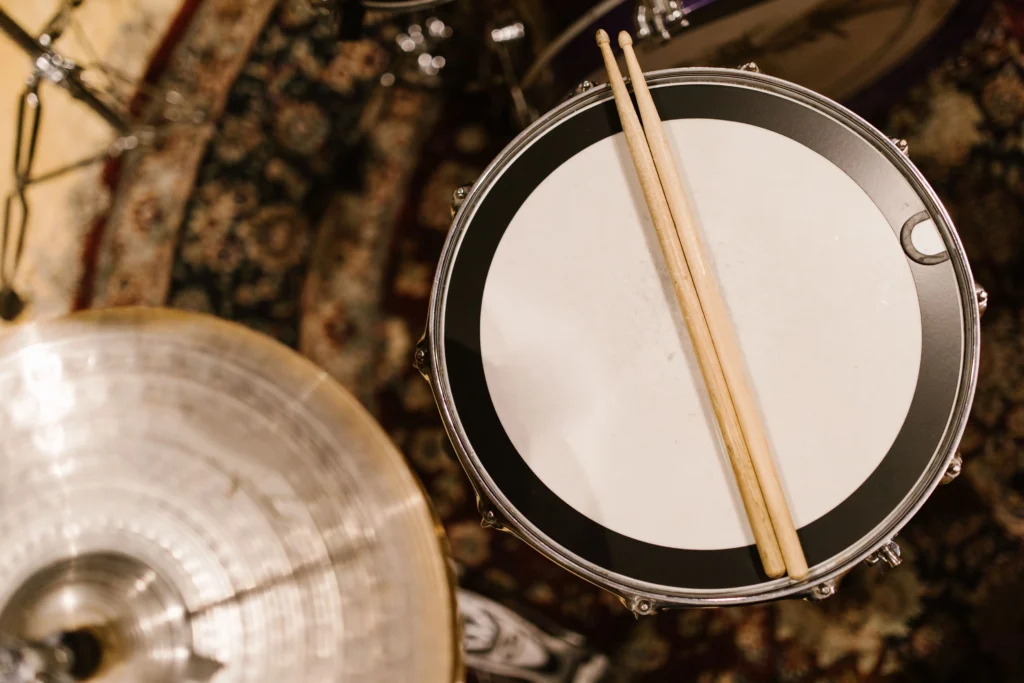
Read more: Slap techniques on the cajón for Brazilian rhythms.
Control the volumetric intensity of the impact to avoid auditory fatigue in the audience and maintain balanced dynamics between the components of the drum kit itself.
Learn more about the fundamentals of rhythmic perception and applied acoustics in São Paulo State Music School (EMESP Tom Jobim), a leading institution in music education in Brazil.
When is it worthwhile to use a smothering technique, and how can you avoid muscle injuries?
The muted tone works perfectly in studio recordings, where the goal is a fast, clean attack with residual harmonic bass in the microphone setup.
Playing with excessive tension in the shoulders or gripping the drumstick too tightly transfers the vibration of the impact directly to the wrist and elbow joints.
Learn more: How does the waterphone used in thriller movies work?
Utilize the natural rebound of the drumhead and rim so that the stick rises immediately after striking, preventing inflammation such as chronic tendinitis.
The constant improvement of rimshot techniques in the box It requires daily practice with a metronome, prioritizing sound consistency before seeking maximum speed or volume.
How does the choice of rims and drumsticks affect the resulting sound?
Rims of the type die-cast, Made from denser die-cast metal, these rims deliver a significantly more aggressive and focused attack than other rims. triple-flange traditional.
Wooden drumsticks hickory absorb shock against metal better, while models of ivory They offer a slightly lighter and brighter tonal response.
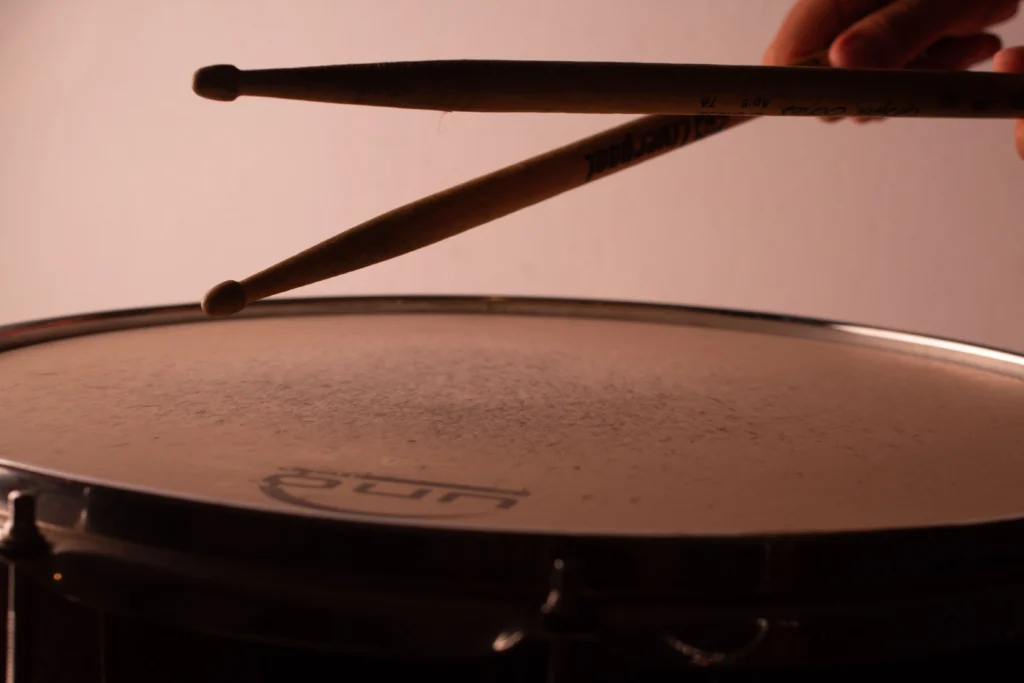
Rubber gaskets or rim protectors also help preserve the wood of the drumstick without compromising the acoustic quality of the instrument during long performances.
Read more: Rimshot techniques in the box and when to use them.
Deepen your knowledge of acoustics and the physics of percussion instruments by consulting the educational collection maintained by [Institution Name]. Osesp Foundation, a credible institution in the music scene.
Frequently Asked Questions (FAQ)
Does a rimshot damage or break drumsticks more quickly?
Yes, continuous contact of the wood against the metal rim wears down the fibers of the drumstick, but using the correct technique greatly reduces the risk of premature breakage.
Can I do rimshots in any snare drum model?
Yes, any snare drum allows the technique to be performed, although the diameter, drum depth, and rim type will alter the final tone.
How do I know if I'm applying too much force to the impact?
If you experience joint pain or if the drum volume completely drowns out the cymbals and bass drum, reduce the force and use the weight of your hand.
What is the difference between a rimshot and a closed-rim rimshot?
The traditional rimshot allows the stick to bounce freely after impact, while the closed rimshot holds the tip against the drumhead immediately after hitting the rim.
Develop the rimshot techniques in the box With discipline and body awareness, you can improve the quality of your performance and expand your musical versatility.
Applying each variation at the right moment enriches the dynamics of your sound, highlighting your artistic identity whether in the recording studio or on stage.
