
Bahian timbal: how it originated and how to learn to play it.
THE Bahian timbale It is an iconic percussion instrument that revolutionized Brazilian music, projecting the energy of Salvador's Afro-Brazilian carnival groups to stages and festivals around the world.
Advertisements
Its sharp, striking, and vibrant sound transformed arrangements of axé music, MPB (Brazilian Popular Music), and samba-reggae, becoming an indispensable piece in large rhythmic formations and cultural performances in Brazil.
What is the instrument and how did its creation in Bahia come about?
The instrument is a conical drum, derived from African ancestry, rescued and reinvented in the 1980s by master Carlinhos Brown and musicians from the Candeal neighborhood.
Inspired by the traditional wooden timbau used in Afro-Brazilian religious spaces, the modern design features an aluminum or acrylic body and a synthetic head tuned to high tension to achieve crystal-clear high notes.
The introduction of this instrument in Timbalada revolutionized the Carnival of Salvador, positioning the percussionist standing, with the drum attached to the body by a transversal support strap.
Advertisements
Master the Bahian timbale It requires understanding this rich cultural heritage, as the instrument expresses the strength of Black resistance and the unique artistic identity of Salvadoran popular music.
How does the technique for tuning and executing basic strokes work?
High tuning requires precision in tightening the side hardware, ensuring that the synthetic skin responds quickly to the impact of the hands without losing its pitch during the performance.
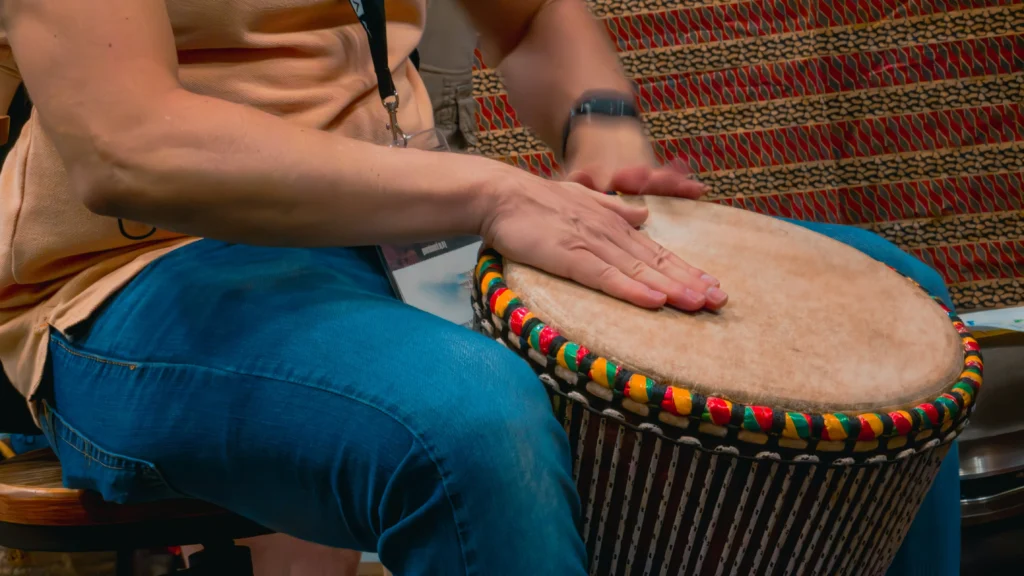
The musical performance is based on three fundamental strokes: the low snap in the center of the skin, the sharp slap on the edge, and the open stroke to create rhythmic variations.
Playing with bare hands requires correct body posture, preventing wrist injuries and allowing the percussionist to maintain a steady rhythm during long periods of rehearsal or performance.
To research the history of Afro-Brazilian culture, visit the portal of... National Institute of Historic and Artistic Heritage (IPHAN).
Developing hand independence allows the student to create complex percussive phrases, alternating dynamic accents and striking rhythmic fills in samba-reggae with total fluidity and sonic clarity.
What are the differences between the main models available on the market?
The choice of the ideal drum depends on the performance space, the desired musical style, and the percussionist's physical stamina for carrying the instrument in street processions.
Aluminum models offer greater sound projection and durability, while wooden bodies guarantee a warmer, fuller, and more velvety tone for studio recordings.
The table below compares the technical specifications of the most commonly used models in 2026 by students and professional percussionists throughout the country:
| Body Material | Medium Size (Inches / Cm) | Predominant Skin Type | Main Indication for Use |
| Polished Aluminum | 14″ x 90 cm | Transparent / Milky Nylon | Street parties and live shows |
| Plywood | 14″ x 70 cm | High Tension Nylon | Internal rehearsals and acoustic recordings |
| Transparent Acrylic | 14″ x 90 cm | Special Reinforced Nylon | Scenic and aesthetic presentations |
| Fiberglass | 13″ x 80 cm | Super Thin Nylon | High-speed, high-resolution performance |
Assessing the weight, diameter, and skin type parameters ensures the purchase of the correct equipment, facilitating technical development from the very first percussion rhythm lessons.
Why is studying the metronome essential for beginner percussionists?
Practicing with a metronome develops timing accuracy, preventing the student from speeding up or slowing down the tempo of the music during the transition between low and high-pitched phrases.
Starting training at slow tempos allows you to build muscle memory for each stroke, ensuring that the sound from the edge and center comes out clean, firm, and defined.
Read more: Discover Lao khene and its hypnotic sound
Gradually increasing speed builds physical endurance in the arms and shoulders, an essential element for anyone who intends to play the... Bahian timbale for hours on end at events.
Practicing rhythmic division exercises strengthens the student's musical perception, transforming daily practice into a productive, organized routine focused on achieving consistent results.
When should you look for a specialized percussion teacher or course?
Learning through self-study is possible via tutorials, but in-person or online guidance from a percussion master prevents bad posture habits and incorrect application of force.
Professional guidance ensures immediate corrections to the angle of attack of the hands, optimizing sound volume without causing joint pain or excessive calluses on the practitioner's fingers.
Learn more: Differences between the berimbau from Bahia and the berimbau from Minas Gerais — structure and sound.
Joining group percussion workshops broadens musical experience, allowing one to play together with other instruments such as surdos, snare drums, repiques, and agogôs in perfect harmony.
To explore collections about Brazilian popular music, sheet music, and the history of national rhythms, visit the portal of... National Library Foundation.
Interacting in percussion groups accelerates the perception of timing and dynamics, preparing the beginner percussionist to face real stages with confidence, stage presence, and technical authority.
Master the rhythm and celebrate Brazilian percussion in 2026.
Learning to play this iconic drum connects you to the essence of Brazilian music, combining high-level technique, physical conditioning, and a passion for Bahian popular culture.
Read more: The history of the viola machete in the music of the Recôncavo Baiano region.
Investing in Bahian timbale It requires daily dedication, but the reward of leading the rhythm of a band or group is a transformative and unforgettable artistic experience.
Choose your instrument, study the fundamental strokes with discipline, and take the contagious energy of Salvadoran percussion with you wherever you go.
FAQ (Frequently Asked Questions)
Do you need drumsticks to play this type of drum?
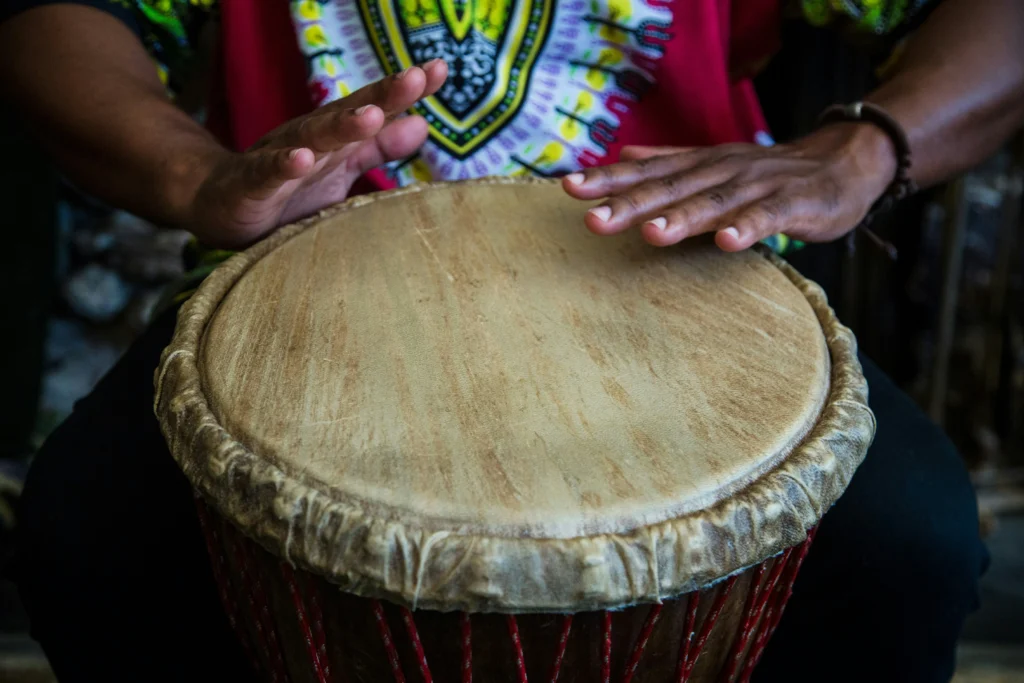
No. The instrument is played exclusively with clean hands, using the palm and fingers to extract the different low, medium, and high tones from the leather.
What is the difference between a timbal and an atabaque?
The atabaque has a longer shape, a wooden body, and is tuned by loosening wedges, while the timbal is conical, uses synthetic skins, and is tuned by metal rods.
How can I avoid hand pain when starting to practice?
It is essential to position your hand correctly without tensing your fingers, to stretch before playing, and to gradually increase rehearsal time each week.
What is the correct tuning for playing samba-reggae?
The tuning should be high and taut, ensuring sharp, crisp sounds at the edges and a dry, yet well-defined bass note in the center of the synthetic drumhead.
